
 By Kylian Dev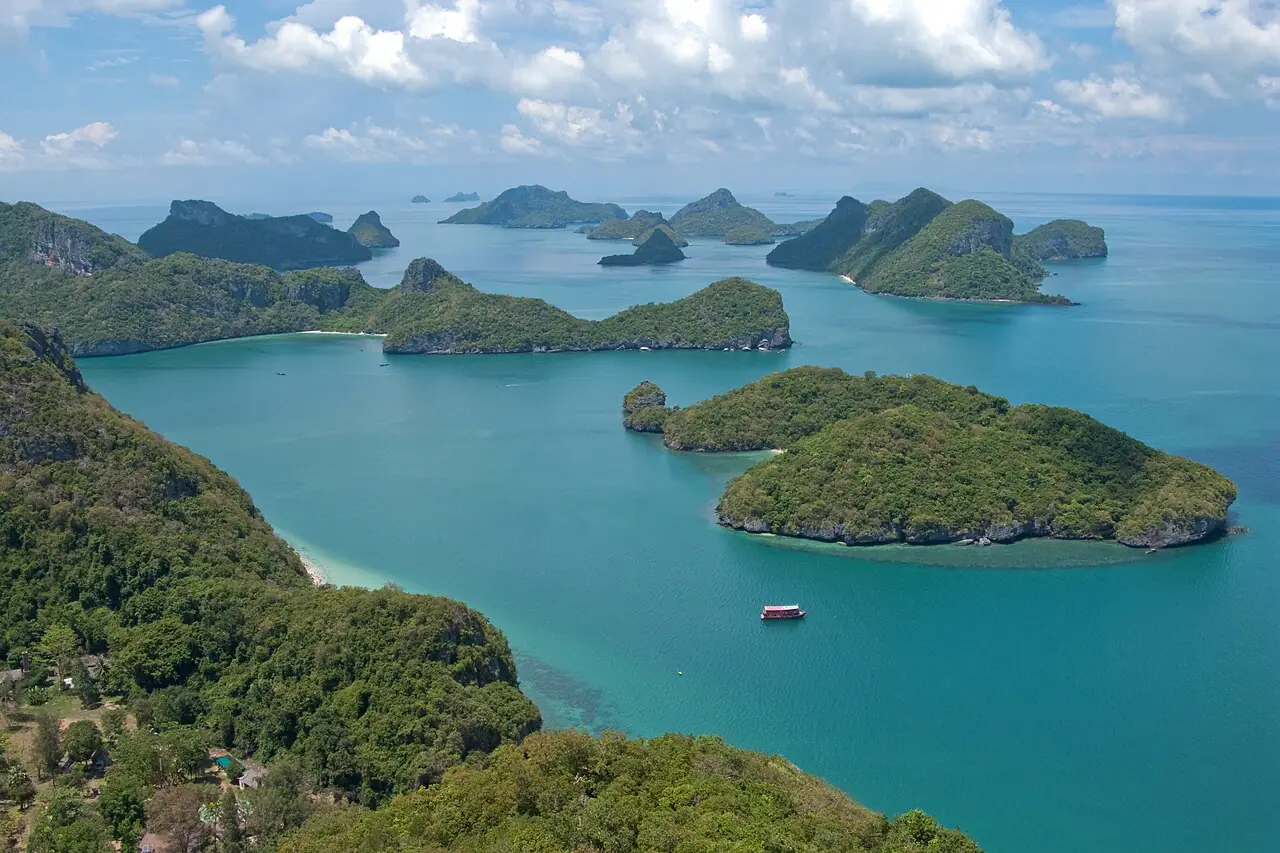
Thailand or Vietnam: the quick verdict
If your dream trip is mostly about turquoise water, easy island hopping and a smooth first experience of Asia, Thailand is the safer choice. If you want landscapes that feel wilder, a stronger sense of history, the thrill of crossing a country by train or motorbike and slightly lower prices, Vietnam often wins. Neither is objectively better: they reward different travel styles. Many travellers visit one first and the other a year or two later, and some combine both in a single three- or four-week trip.
| Theme | Thailand | Vietnam | Edge |
|---|---|---|---|
| Beaches and islands | Hundreds of islands on two coasts, world-famous bays | Fewer islands, long mainland beaches, Phu Quoc and Con Dao | Thailand |
| Landscapes | Karsts, jungle, gentle northern hills | Ha Long Bay, rice terraces, high mountain passes | Vietnam |
| Food | Iconic curries, salads and street food | Fresh herbs, noodle soups, regional specialities | Tie |
| Culture and history | Temples, monarchy, Buddhist daily life | Imperial Hue, Hoi An, war history, French legacy | Slight Vietnam |
| Ease of travel | Very smooth, dense tourist network | Good but longer distances, more planning | Thailand |
| Budget | Good value, islands pricier | Often slightly cheaper | Slight Vietnam |
| Nightlife | Bangkok, island parties, rooftops | Beer streets, Saigon bars, calmer elsewhere | Thailand |
| Diving | Koh Tao, Similan Islands, Andaman | Nha Trang, Con Dao, Phu Quoc | Thailand |
| Trekking and adventure | Chiang Mai, Pai, jungle treks | Sapa, Ha Giang loop, caves of Phong Nha | Vietnam |
Beaches and islands: which country has the better coast?
Thailand is the clear winner for islands. The Andaman coast offers Phuket, Krabi, Railay, Koh Phi Phi, Koh Lanta, Koh Lipe and the Similan Islands, with limestone cliffs rising from the sea; the Gulf offers Koh Samui, Koh Phangan and Koh Tao, plus Koh Chang and Koh Kood near Cambodia. Ferries and speedboats make it easy to link several islands in one trip. Vietnam has a very long coastline with fine mainland beaches, but island life is concentrated in a few places: Phu Quoc in the far south, the protected Con Dao archipelago, and the islets of Nha Trang. Ha Long Bay and Lan Ha Bay are spectacular, but they are mostly enjoyed from a cruise boat rather than from a beach.
Thailand's best beach bases
ThailandRailay and Koh Lanta for scenery and calm, Koh Lipe for snorkelling, Koh Samui for comfort, Koh Tao for diving, Khao Lak for long empty sands.
Vietnam's best beach bases
VietnamPhu Quoc for resorts and sunsets, Con Dao for wild nature, An Bang and Cua Dai near Hoi An, My Khe in Da Nang, Quy Nhon for a quieter coast.
One nuance matters for families and swimmers: parts of Vietnam's central coast face the open South China Sea, with stronger waves and currents in the rainy months, while many Thai bays are sheltered. Always follow local flags and advice in either country.
Culture, food and cities compared
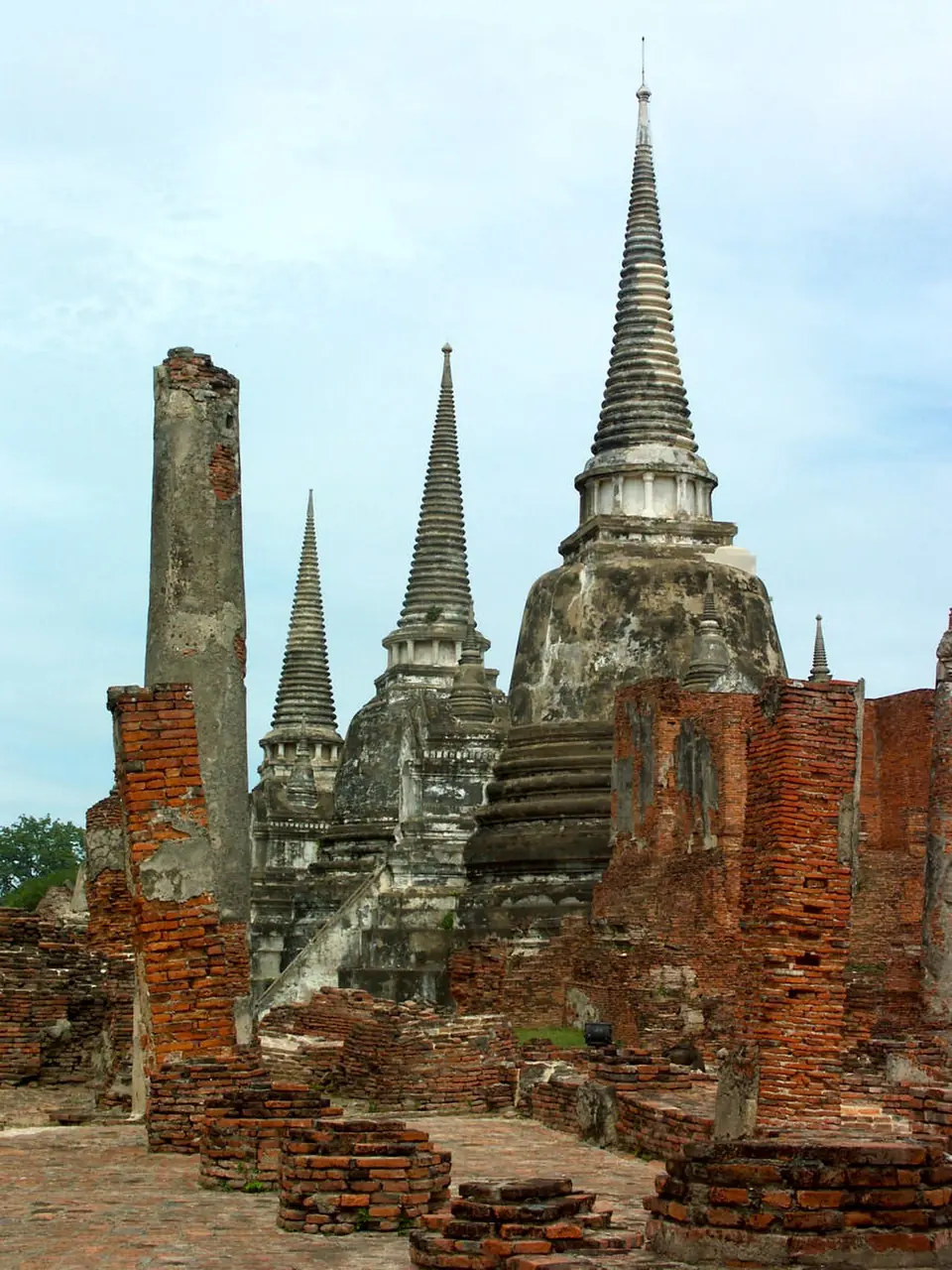
Thailand's culture is shaped by Theravada Buddhism and the monarchy: gilded temples in Bangkok, the ancient capitals of Ayutthaya and Sukhothai, and the relaxed temple towns of Chiang Mai and Chiang Rai. Vietnam's heritage mixes Chinese, Cham and French influences with a recent history that is visible everywhere, from the imperial citadel of Hue and the lantern-lit old town of Hoi An to the war museums of Ho Chi Minh City and the tunnels of Cu Chi. Travellers who love history and architecture often find Vietnam more varied, while those who love temple atmosphere and festivals feel at home in Thailand.
Both are top-tier food destinations. Thai cuisine is bold, spicy and aromatic: green curry, som tam, khao soi in the north and endless night markets. Vietnamese cooking is fresher and herb-driven: pho in Hanoi, bun cha, banh mi, cao lau in Hoi An and bun bo Hue. Cities differ too. Bangkok is a huge, modern metropolis with skytrains, river boats and rooftop bars; Hanoi is intense, atmospheric and walkable in its Old Quarter; Ho Chi Minh City is fast, entrepreneurial and full of cafés.
| City | Best for | Do not miss |
|---|---|---|
| Bangkok | Temples, food, nightlife, shopping | Wat Pho, Chao Phraya boats, Chinatown at night |
| Chiang Mai | Slow culture, cooking classes, mountains | Old-city temples, Doi Suthep, Sunday walking street |
| Hanoi | Street life, food, history | Old Quarter, Hoan Kiem Lake, bun cha lunch |
| Hoi An | Romance, tailors, heritage | Old town at dusk, cycling in rice fields |
| Hue | Imperial history | Citadel, royal tombs, Perfume River |
| Ho Chi Minh City | Energy, cafés, modern history | War Remnants Museum, Cu Chi tunnels, Mekong Delta trip |
Nature, trekking and diving: where is the adventure better?
For raw mountain scenery, Vietnam has the edge. The rice terraces around Sapa, the high passes of the Ha Giang loop near the Chinese border, the karst landscapes of Ninh Binh and the giant caves of Phong Nha-Ke Bang are among Southeast Asia's great sights. Thailand's north is gentler: forested hills around Chiang Mai, Pai and Chiang Rai, with easy treks, waterfalls and hill-tribe villages. Thailand's national parks such as Khao Sok, with its lake and floating bungalows, offer excellent jungle experiences without much effort.
Under water, Thailand leads. Koh Tao is one of the world's most popular places to learn to dive, and the Similan and Surin Islands, open from 15 October to 15 May, offer some of the best diving in the region. Vietnam has decent diving around Nha Trang, Con Dao and Phu Quoc, with a shorter and more weather-dependent season. Snorkellers will also find more easy options straight from the beach in Thailand.
- Best trek in Thailand: two or three days in the hills around Chiang Mai or Mae Hong Son
- Best trek in Vietnam: Sapa valleys or the three- to four-day Ha Giang loop with an easy rider
- Best jungle: Khao Sok in Thailand, Cat Tien or Phong Nha in Vietnam
- Best diving: Similan Islands and Koh Tao in Thailand, Con Dao in Vietnam
Weather month by month in Thailand and Vietnam
Weather is often what decides between the two countries. Thailand has one broad dry season from about November to April, with the Gulf islands following a slightly different rhythm (driest from about February to September, wettest from October to December). Vietnam is long and thin, so its three regions behave differently: the north has a cool, sometimes grey winter and a hot, wet summer; the centre (Hue, Hoi An, Da Nang) is best from about February to August and gets heavy rain and possible typhoons from September to December; the south (Ho Chi Minh City, Mekong, Phu Quoc) is dry from about December to April.
| Month | Thailand Andaman | Thailand Gulf | North Vietnam | Central Vietnam | South Vietnam |
|---|---|---|---|---|---|
| Jan | Excellent | Good | Cool, can be grey | Improving, showers | Excellent |
| Feb | Excellent | Very good | Cool, drizzle | Good | Excellent |
| Mar | Very good | Very good | Mild, pleasant | Very good | Very good, hot |
| Apr | Good, hot | Very good | Pleasant | Very good | Hot |
| May | Rains begin | Good | Hot, showers | Very good, hot | Rains begin |
| Jun | Monsoon | Good | Hot, wet | Good, hot | Rainy season |
| Jul | Monsoon | Good | Hot, wet | Good, hot | Rainy season |
| Aug | Monsoon | Good | Wet, storms | Good, first rains | Rainy season |
| Sep | Wettest | Fair | Improving | Rainy, typhoon risk | Rainy |
| Oct | Improving | Rains increase | Very good | Heavy rain, floods possible | Rains easing |
| Nov | Good from mid-month | Wettest | Very good | Heavy rain, typhoon risk | Good |
| Dec | Excellent | Improving | Cool, dry | Rainy | Excellent |
These are typical patterns only. Typhoon tracks, the timing of the monsoon and haze from agricultural burning in northern Thailand and northern Vietnam in March and April vary each year, so check a recent forecast and local news before travelling.
Is Vietnam cheaper than Thailand? Budget compared
Both countries offer excellent value, and the difference is smaller than many blogs claim. Vietnam is usually a little cheaper for street food, local beer, mid-range hotels and long-distance buses. Thailand can cost more on popular islands such as Koh Phi Phi, Koh Samui and Koh Tao, and for ferries and boat tours, which add up when you island-hop. In Bangkok, Chiang Mai, Hanoi and Ho Chi Minh City, daily costs are broadly comparable. The figures below are indicative per person per day, excluding international flights, and change with season and exchange rates. For Thailand, you can estimate your own trip with the travel budget calculator.
| Travel style | Thailand, per person per day | Vietnam, per person per day |
|---|---|---|
| Backpacker | About 30 to 45 EUR | About 25 to 40 EUR |
| Mid-range | About 60 to 110 EUR | About 50 to 95 EUR |
| Comfort and luxury | About 150 EUR and more | About 130 EUR and more |
| Street-food meal | About 1.50 to 3 EUR | About 1.50 to 3 EUR |
| Double room, good mid-range hotel | About 35 to 80 EUR | About 30 to 70 EUR |
- Thailand's biggest variable costs: island hotels in high season, boat tours, national park fees
- Vietnam's biggest variable costs: Ha Long Bay cruises, internal flights, private drivers
- Grab works in the big cities of both countries and avoids taxi haggling
- ATM fees apply in both; carrying a card with low foreign-transaction fees helps
Transport, visas, crowds and safety
Thailand is easier to travel around. Its compact shape, frequent domestic flights, night trains, well-run minivans and combined bus-and-boat tickets make it simple to change plans on the go. Vietnam is about 1,600 km long from north to south, so distances matter: Hanoi to Ho Chi Minh City takes around two hours by plane or more than 30 hours by train. Most travellers fly at least one leg and use sleeper buses or the scenic Reunification Express train for others, such as the stretch between Hue and Da Nang over the Hai Van Pass.
Visa rules change often in both countries, so always check official government sources before you book. In recent years Thailand has offered visa-free entry of several weeks to many nationalities, while Vietnam has expanded its e-visa system and visa exemptions for a number of countries. Check the permitted length of stay, the validity of your passport and whether you need proof of onward travel.
| Topic | Thailand | Vietnam |
|---|---|---|
| Getting around | Dense network, easy to improvise | Long distances, plan flights ahead |
| Visas | Visa exemption for many nationalities, check current rules | E-visa or exemption depending on nationality, check current rules |
| Crowds | Very busy hotspots in high season, quiet alternatives nearby | Busy in Hoi An, Ha Long and Sapa, rest often calmer |
| Safety | Generally safe; road accidents and scams are main risks | Generally safe; traffic and petty theft are main risks |
| English | Widely spoken in tourist areas | Improving, less common outside hubs |
Nightlife and atmosphere: which is livelier?
Thailand has the bigger and more varied nightlife. Bangkok alone offers rooftop bars, jazz clubs, night markets and the late-night energy of Sukhumvit and Khao San Road, and the islands add beach bars, fire shows and the famous Full Moon Party on Koh Phangan. Vietnam's evenings revolve more around street life: plastic stools and fresh beer on Hanoi's Ta Hien street, the bars of District 1 in Ho Chi Minh City and a few backpacker spots. Outside the big cities and hostels, Vietnamese evenings are relatively calm, which many travellers appreciate.
- Party islands and beach clubs: Thailand
- Rooftop bars and cocktail scene: Bangkok, then Ho Chi Minh City
- Street beer culture and local atmosphere: Hanoi
- Quiet, romantic evenings: Hoi An, Railay, Koh Yao Noi, Koh Lanta
Sample itineraries: two weeks in Thailand or Vietnam
Both routes below are designed for about 14 days and assume a relaxed pace with three or four bases. They are frameworks, not rigid plans: add rest days if you arrive jet-lagged, and swap regions depending on the season shown in the weather table.
Thailand classic, November to April
ThailandBangkok 3 nights, Chiang Mai 3 nights, then fly to Krabi for Railay or Ao Nang 3 nights and Koh Lanta or Koh Phi Phi 4 nights. From May to September, replace Krabi with Koh Samui and Koh Tao.
Vietnam north to south, February to April
VietnamHanoi 2 nights, Ha Long or Lan Ha Bay cruise 1 night, Ninh Binh 2 nights, fly to Da Nang for Hoi An 3 nights and Hue 1 night, then fly to Ho Chi Minh City 2 nights with a Mekong Delta day trip, finishing with Phu Quoc 2 or 3 nights.
Vietnam adventure, October to November
AdventureHanoi, Sapa or the Ha Giang loop, Ninh Binh and Ha Long Bay, then fly south to Ho Chi Minh City and Phu Quoc, skipping the rainy centre.
Thailand classic, November to April
13 days- 1Bangkok3 d
- 2Chiang Mai3 d
- 3Krabi & Railay3 d
- 4Koh Lanta4 d
Koh Phi Phi works instead of Koh Lanta for the last 4 nights.
Who should choose Thailand and who should choose Vietnam?
| Traveller profile | Better choice | Why |
|---|---|---|
| First trip to Asia | Thailand | Easiest logistics, great beaches, lots of help on hand |
| Honeymoon | Thailand | Pool villas, islands and a wide choice of romantic resorts |
| Families with young children | Thailand | Shorter transfers, calm bays, family-friendly hotels |
| Foodies | Either | Both are world-class; Vietnam for herbs and noodles, Thailand for curries and markets |
| History lovers | Vietnam | Hue, Hoi An, war sites and colonial architecture |
| Hikers and bikers | Vietnam | Higher mountains, epic passes and trekking villages |
| Divers | Thailand | Koh Tao courses and Similan liveaboards |
| Tight budget, long trip | Vietnam, slightly | Lower food and hotel costs outside tourist hotspots |
| Winter sun from Europe | Thailand or southern Vietnam | Both are dry and warm from December to March |
If you are still undecided, look at your dates first, then at what you want to do most. A two-week trip in July or August points towards Thailand's Gulf islands or northern and central Vietnam, while a trip in November favours Thailand's Andaman coast and northern Vietnam. A December or January trip suits Thailand and southern Vietnam equally well.
Can you combine Thailand and Vietnam in one trip?
Yes, and with three weeks or more it works very well. Frequent flights link Bangkok with Hanoi, Da Nang and Ho Chi Minh City, taking roughly one and a half to two hours, and budget airlines keep fares reasonable when booked early. The key is to match each country's region to the season, and to accept that you will see only part of each. With three weeks, a common plan is about ten days in Vietnam followed by ten days in Thailand, finishing on a beach.
- 1Fly into Hanoi and explore the north: Old Quarter, Ha Long or Lan Ha Bay, Ninh Binh
- 2Fly to Da Nang for Hoi An and Hue when the centre is dry, roughly February to August
- 3Fly from Da Nang or Ho Chi Minh City to Bangkok for two or three nights
- 4Finish with a week on Thailand's islands: the Andaman coast from December to April, the Gulf from May to September
- 5Fly home from Bangkok or Phuket
What about Bali, Cambodia and Laos?
Bali, in Indonesia, is often the third option. It offers rice terraces around Ubud, surf beaches, cliff-top villas and a strong Hindu culture, with its best weather from about April to October, the opposite of much of mainland Southeast Asia. It is excellent for yoga, surfing and villa stays, but traffic in the south is heavy, beaches are often less swimmable than Thailand's best, and it is far from Thailand and Vietnam, so it is better as a separate trip.
Cambodia
Add-onThe temples of Angkor near Siem Reap are a world-class sight and fit easily into either trip, with short flights from Bangkok or Ho Chi Minh City. Two or three days are enough for the main temples.
Laos
Add-onLuang Prabang's monasteries and slow Mekong life make a peaceful counterpoint. It links well with northern Thailand via Chiang Rai and the Mekong slow boat, or by flight from Bangkok or Hanoi.
Bali
AlternativeBetter as its own trip. Choose it for surf, yoga, rice terraces and villas, ideally from April to October.