
 By Kylian Dev
General rules for crossing Thailand's land borders
- Passport valid for at least six months from your entry date, with blank pages
- The Thailand Digital Arrival Card (TDAC) applies to land arrivals as well as flights: complete it online before re-entering Thailand
- Proof of onward travel or accommodation is sometimes requested by immigration or airlines
- Some officers may ask for evidence of funds; carry a bank card and some cash
- Checkpoints have opening hours and close in the evening: you cannot cross at night
Thailand has at times limited the number of visa-exempt entries by land per calendar year, and the rules on visa exemption length and land entries have changed several times recently. Treat every figure you read online, including here, as something to confirm with the Thai immigration bureau or a Thai embassy before you travel.
The main border crossings at a glance
| Border | From → to | How | Notes |
|---|---|---|---|
| Laos | Nong Khai → Vientiane | Bus over the Friendship Bridge, or short train to Thanaleng / Khamsavath | Easiest crossing into Laos, Udon Thani airport nearby |
| Laos | Chiang Khong → Huay Xai | Shuttle bus over the 4th Friendship Bridge | Start of the slow boat to Luang Prabang |
| Cambodia | Aranyaprathet → Poipet | Bus or train from Bangkok, then walk across | Route to Siem Reap, notorious for scams |
| Cambodia | Hat Lek → Koh Kong | Minivan from Trat | Handy after Koh Chang, quieter than Poipet |
| Malaysia | Padang Besar → Padang Besar | Train from Hat Yai | Immigration for both countries at the station |
| Malaysia | Sadao → Bukit Kayu Hitam | Bus or minivan by road | Main road link towards Penang and Kuala Lumpur |
| Malaysia | Koh Lipe / Satun → Langkawi | Ferry | Seasonal on Koh Lipe, check schedules |
| Myanmar | Mae Sot → Myawaddy and others | Not recommended | Security situation, check official advice |
Status can vary: a crossing listed here may be closed or restricted when you travel. Always confirm with recent official information or the transport operator.
Thailand to Laos border crossings
Nong Khai – Vientiane
Most popularThe Thai-Lao Friendship Bridge is the classic route into Laos. International buses run from Nong Khai and Udon Thani to Vientiane, and a short train links Nong Khai to Thanaleng / Khamsavath station on the Lao side, from where you can connect to the Laos-China railway towards Vang Vieng and Luang Prabang.
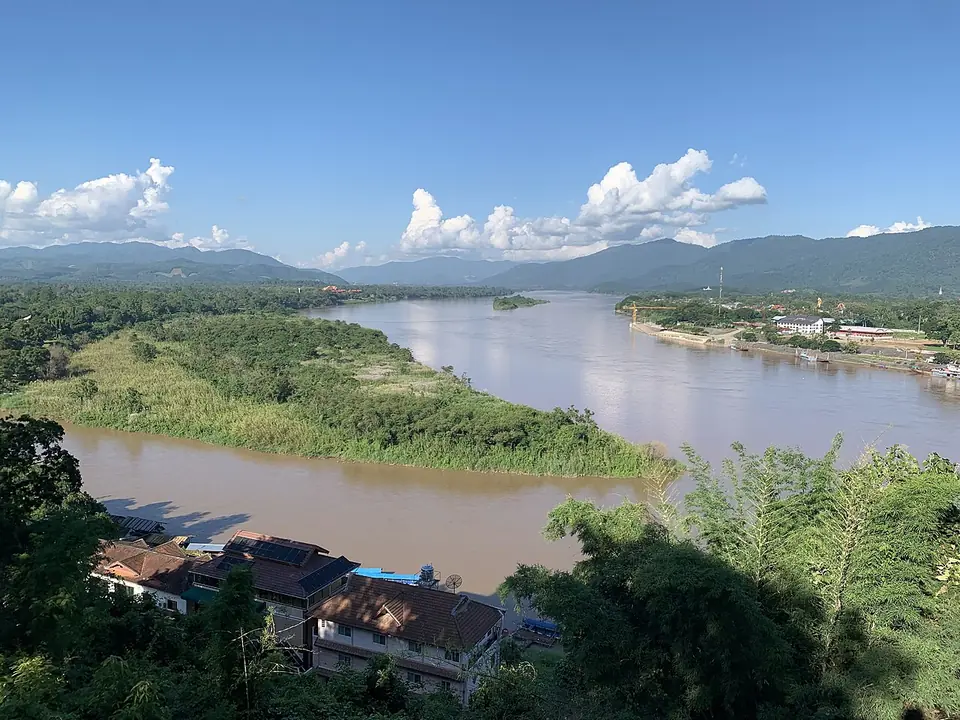
Chiang Khong – Huay Xai
Slow boatIn the north, the 4th Friendship Bridge links Chiang Khong to Huay Xai. It is the crossing to use for the two-day slow boat down the Mekong to Luang Prabang, easily reached from Chiang Rai.
Laos offers an official e-visa and a visa on arrival at the main international checkpoints, and some nationalities are visa exempt for short stays. Eligibility, fees and which checkpoints accept the e-visa change, so check the official Lao government sources. For a visa on arrival, bring passport photos and cash, ideally US dollars in clean notes.
Thailand to Cambodia border crossings
Aranyaprathet to Poipet is the direct route from Bangkok to Siem Reap and Angkor. It is quick in theory, but it is also the most notorious border in the region for scams. Hat Lek to Koh Kong, reached by minivan from Trat, is calmer and practical if you are coming from Koh Chang or heading to the Cambodian coast.
Cambodia has an official e-visa, which avoids most of the hassle at the border, and also issues visas on arrival at main checkpoints, payable in US dollars. Check that your chosen crossing accepts the e-visa before you buy it.
Crossing the border from Thailand to Malaysia
The simplest way is the train from Hat Yai to Padang Besar, where Thai and Malaysian immigration are handled in the same station, and from there onward trains run towards Butterworth (Penang) and Kuala Lumpur. By road, Sadao to Bukit Kayu Hitam is the main crossing for buses and minivans from Hat Yai.
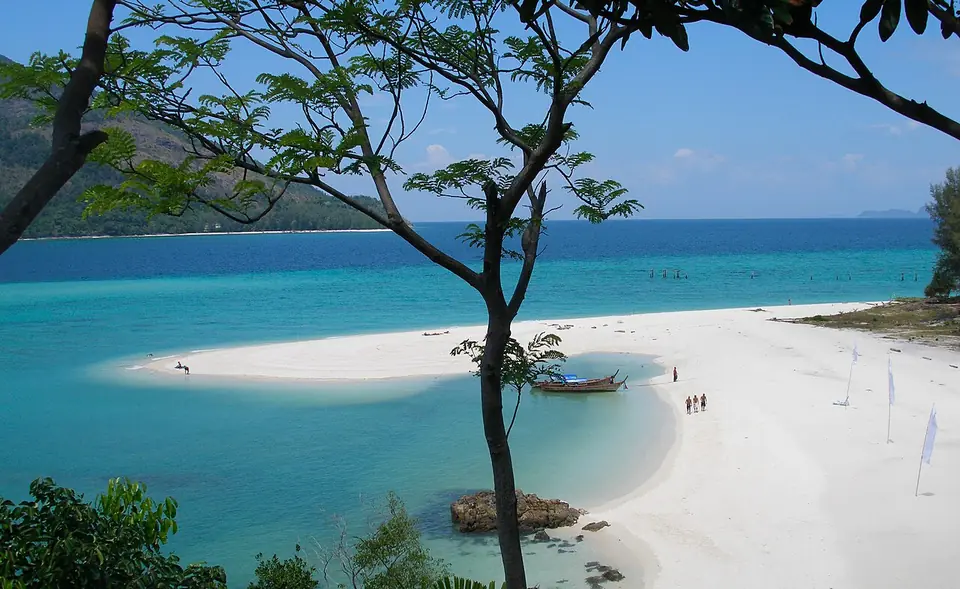
In the dry season, ferries link Koh Lipe and Satun with Langkawi. Koh Lipe has its own seasonal immigration point, so check that services and formalities are running for your dates.
Several governments advise against non-essential travel to parts of Thailand's deep south (Pattani, Yala, Narathiwat and parts of Songkhla) because of a long-running insurgency. Check how your travel advice treats Hat Yai and the border area, as it can affect your insurance.
Can you cross from Thailand into Myanmar?
Since the 2021 coup and the conflict that followed, most land borders between Thailand and Myanmar are not advisable for tourists. Some crossings such as Mae Sot, Mae Sai and Ranong have been closed, restricted or open only for local day trips at various times, and the areas behind them can be unsafe.
- Do not plan an overland trip into Myanmar without reading your government's current travel advice
- Do not rely on old blog posts describing easy day trips across the border
- Do not assume your travel insurance covers areas where official advice is against travel
Border scams and how to avoid them
- Buy your e-visa in advance on the official government website only
- Ignore anyone who approaches you saying you must get a visa, health certificate or ticket here
- Know the official fee before you arrive and pay it at the counter
- Do not change money at the border unless you have to; ATMs are available in towns
- Book onward transport from the official bus stations or with a reputable operator
Visa runs from Thailand: do they still work?
A visa run, or border run, means leaving Thailand and coming back to get a new period of stay. Immigration officers look closely at travellers with many back-to-back entries and can refuse entry if they think you are living or working in Thailand as a tourist.
Inside Thailand, many visitors can also apply to extend their stay at a local immigration office for a fee, which is often simpler than a border run. Conditions depend on your entry type.
Practical tips for a smooth border crossing
- 1Arrive early in the morning to avoid queues and give yourself margin before closing time
- 2Carry US dollars in clean, recent notes for a Cambodian or Lao visa on arrival if you do not have an e-visa
- 3Keep two or three passport photos in your bag
- 4Have printouts or screenshots of e-visas, TDAC, MDAC and onward bookings
- 5Keep some Thai baht for the return trip and small local currency for transport on the other side
- 6Check public holidays, when borders get very busy
- 7Make sure your passport is stamped correctly on both sides before walking away