 By Kylian Dev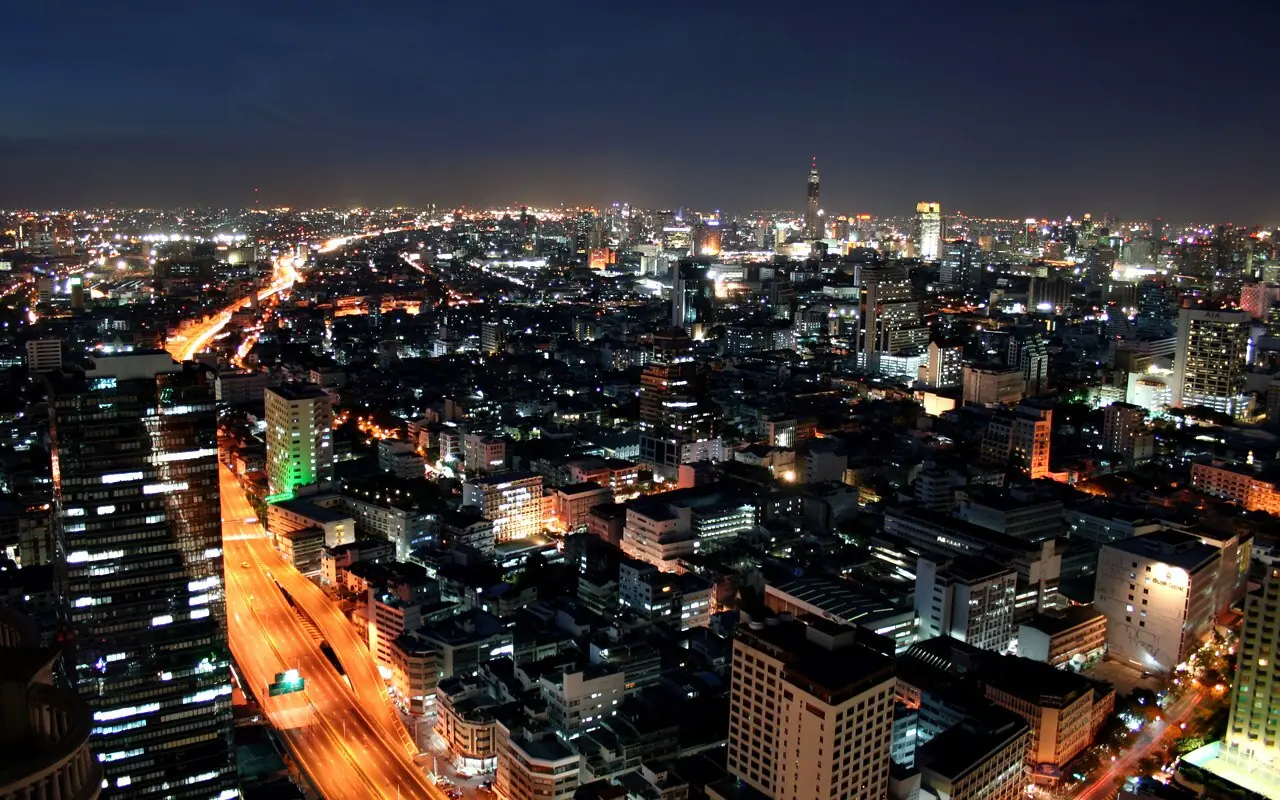
What are the real dangers in Thailand?
Ranked roughly by how often they actually hurt travellers, not by how scary they sound.
If you read forums you might think Thailand is full of drugged drinks and gem-shop gangs, but hospital admissions tell a different story. The injuries that fill the wards in Phuket, Koh Samui and Chiang Mai are overwhelmingly road accidents, followed by drownings, falls, dog bites and heat-related illness. Crime against tourists does happen, yet it is mostly opportunistic theft and overcharging rather than violence. Getting the order of risks right is the single best thing you can do, because it tells you where to spend your caution.
| Risk | Level | How to avoid it |
|---|---|---|
| Road and scooter accidents | High | Only ride with a valid motorcycle licence and a helmet, never at night or after drinking; otherwise use Grab, Bolt or taxis |
| Sea currents and drowning | High in monsoon | Respect red flags, swim on guarded beaches, stay out of rough surf on the Andaman coast from May to October |
| Scams and overcharging | Medium, frequent | Use metered taxis or ride-hailing apps, ignore anyone saying a sight is closed, agree prices first |
| Spiked or dangerous drinks | Medium at parties | Watch your drink, avoid shared buckets, stay with friends at Full Moon style parties |
| Drug laws | Serious consequences | Stay away from illegal drugs entirely; penalties are severe and set-ups exist |
| Animals: dogs, monkeys, jellyfish | Low to medium | Keep away from street dogs and monkeys, get rabies shots after any bite, check jellyfish warnings |
| Petty theft | Low to medium | Use hotel safes, keep bags zipped in crowds and on night buses |
| Deep-south unrest | Area-specific | Follow official advice against travel to Narathiwat, Pattani, Yala and parts of Songkhla |
| Border areas | Area-specific | Check current advice for the Cambodian and Myanmar borders before going |
Is Thailand safe everywhere? Safety by destination
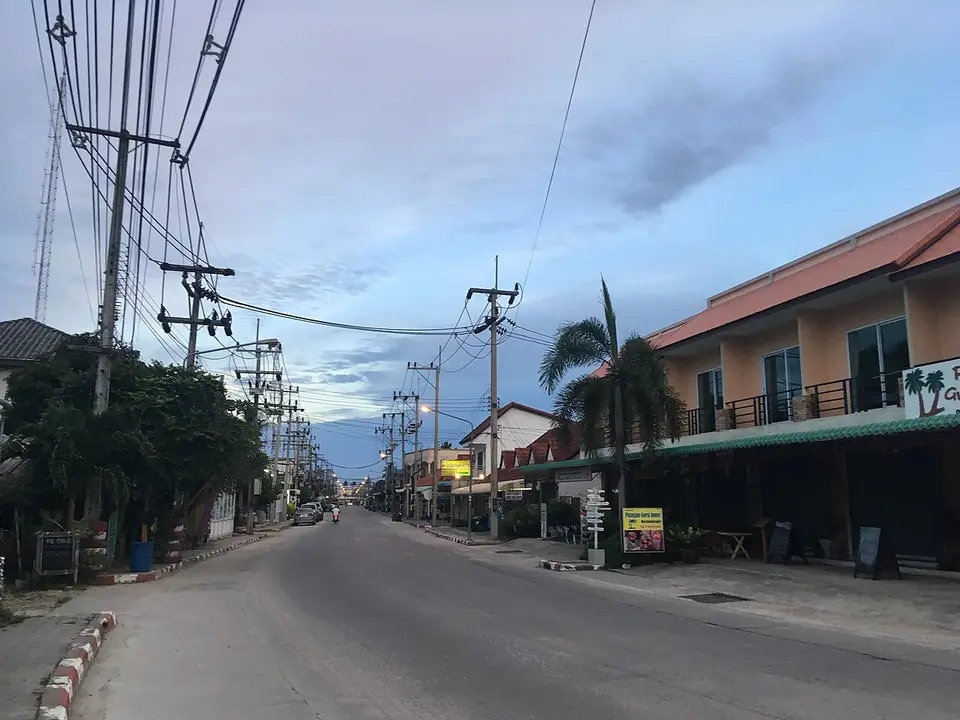
Safety in Thailand is very local. The main tourist regions, from Bangkok to the islands of the Gulf and the Andaman Sea, are well policed and used to foreigners, and their risks are specific: traffic in cities, the sea on beaches, alcohol on party islands. The only areas where most governments advise against travel are the far southern provinces bordering Malaysia, which lie well away from the tourist trail. Border zones with Cambodia and Myanmar can also be affected by tensions, so check official advice before visiting temples or crossings there.
| Destination | Overall | Main things to watch |
|---|---|---|
| Bangkok | Safe | Traffic, tuk-tuk and gem scams around the Grand Palace, pickpockets on Khao San Road and in markets |
| Chiang Mai and Pai | Very safe | Scooter crashes on mountain roads, smoky air from February to April, stray dogs on hikes |
| Phuket | Safe | Traffic, jet-ski scams, strong currents on west-coast beaches in the monsoon, late nights in Patong |
| Krabi, Railay, Koh Lanta | Very safe | Longtail boats in rough seas, monkeys at Railay, undertow in the rainy season |
| Koh Samui | Safe | Busy ring road, jellyfish at certain times, nightlife in Chaweng |
| Koh Phangan | Safe outside parties | Full Moon Party drinks and fire games, steep dirt roads for scooters |
| Koh Tao | Safe | Hilly tracks for scooters, diving with unlicensed operators, night-time bar crowds |
| Pattaya | Safe with care | Nightlife hassles, drink overcharging, traffic, jet-ski disputes |
| Deep south (Narathiwat, Pattani, Yala) | Avoid | Long-running insurgency; most insurance will not cover travel there |
Safety by situation: nights out, beaches, parties and transport
Most incidents follow the same pattern: late at night, alcohol involved, a scooter or the sea nearby. Think in situations rather than places and you will avoid the bulk of problems. Public transport such as the BTS Skytrain and MRT in Bangkok is safe at any hour, and long-distance government buses and trains are reliable. The riskiest options are cheap private minibuses driven too fast and overloaded speedboats in rough weather.
At night
NightBook rides through Grab or Bolt so the trip is tracked, walk on lit main streets and avoid isolated beaches after dark. Carry only the cash you need.
On the beach
BeachSwim only where others swim, respect flags, never go in drunk and leave nothing on the sand when you swim.
At parties
PartiesBuy sealed drinks, avoid buckets from unknown stalls, keep your phone charged and agree a meeting point with friends.
Minibuses and boats
TransportChoose reputable operators, ask for a seat with a belt, and refuse an overloaded boat or a driver who seems tired or drunk.
- Prefer trains or VIP government buses over the cheapest private minibus for long trips
- On night buses keep valuables in a small bag on your lap, never in the overhead rack
- Check that ferries carry life jackets before departure, especially from Chumphon, Surat Thani and Krabi
- Avoid taking a speedboat during storm warnings, even if the operator still sails
Common tourist scams in Thailand and how to spot them
Thai scams are rarely dangerous, just costly and annoying. They cluster around major sights in Bangkok, airports, beach rentals and party areas. The golden rule is simple: be wary of anyone who approaches you first, especially with unexpected news or a surprisingly cheap offer.
| Scam | Where | How it works | What to do |
|---|---|---|---|
| The sight is closed | Grand Palace, Wat Pho, Bangkok | A friendly stranger says it is closed and sends you on a cheap tuk-tuk tour ending in gem or tailor shops | Walk to the official entrance and check yourself |
| Gem investment | Bangkok | You are told gems can be resold at a profit at home | Never buy gems as an investment |
| Meter refusal | Airports, tourist areas | Taxi quotes a flat price several times the meter | Use the official airport taxi queue or a ride-hailing app |
| Jet-ski damage | Phuket, Pattaya | Operator claims pre-existing scratches and demands a large sum | Photograph the jet-ski first, or skip it |
| Scooter damage and passport deposit | Islands, beach towns | Shop keeps your passport and bills for old scratches | Film the bike, leave a cash deposit, never your passport |
| Fake or oversold tickets | Street tour desks | Ferry or bus tickets that do not exist or run on worse vehicles | Book through official operators or your hotel |
| Drink bill padding | Bars in nightlife areas | Extra drinks appear on the bill or a show costs a fortune | Pay per round and check the bill |
| Wrong change and currency tricks | Markets, taxis | Change given for a smaller note than you paid | Say the note value out loud as you hand it over |
Road safety and scooter rules in Thailand
Thailand drives on the left, roads can be excellent or full of potholes, and traffic behaves differently from home: vehicles overtake on both sides, trucks rarely give way and dogs cross without warning. Renting a scooter is legal and hugely popular, but police regularly run checkpoints on Phuket, Koh Samui and in Chiang Mai to fine riders without a licence or helmet. More importantly, your travel insurance may refuse to cover medical bills after an accident if you did not have the right licence, and those bills can reach tens of thousands of dollars.
- 1Hold a motorcycle licence from home and an International Driving Permit valid for motorcycles; a car licence alone is not enough
- 2Wear a proper helmet with the strap fastened, and make passengers wear one too
- 3Check brakes, tyres and lights, and film the bike from every angle before leaving
- 4Keep your speed low, avoid riding at night, in heavy rain or after any alcohol
- 5Start on quiet, flat roads; steep island tracks on Koh Phangan and Koh Tao are for experienced riders only
- 6Keep the rental contract and the owner's phone number with you
| Option | Safety | Good for |
|---|---|---|
| Grab or Bolt car | High | Cities and islands with coverage, nights out |
| Metered taxi | High | Bangkok, Phuket airport |
| Songthaew (shared pickup) | Medium | Short hops in Chiang Mai, Krabi and on islands |
| Motorbike taxi | Medium to low | Beating Bangkok traffic on short trips; ask for a helmet |
| Self-ride scooter | Low for beginners | Experienced licensed riders on quiet roads |
| Rental car with driver | High | Families and groups on day trips |
Is it safe to swim in Thailand? Water safety by season and coast
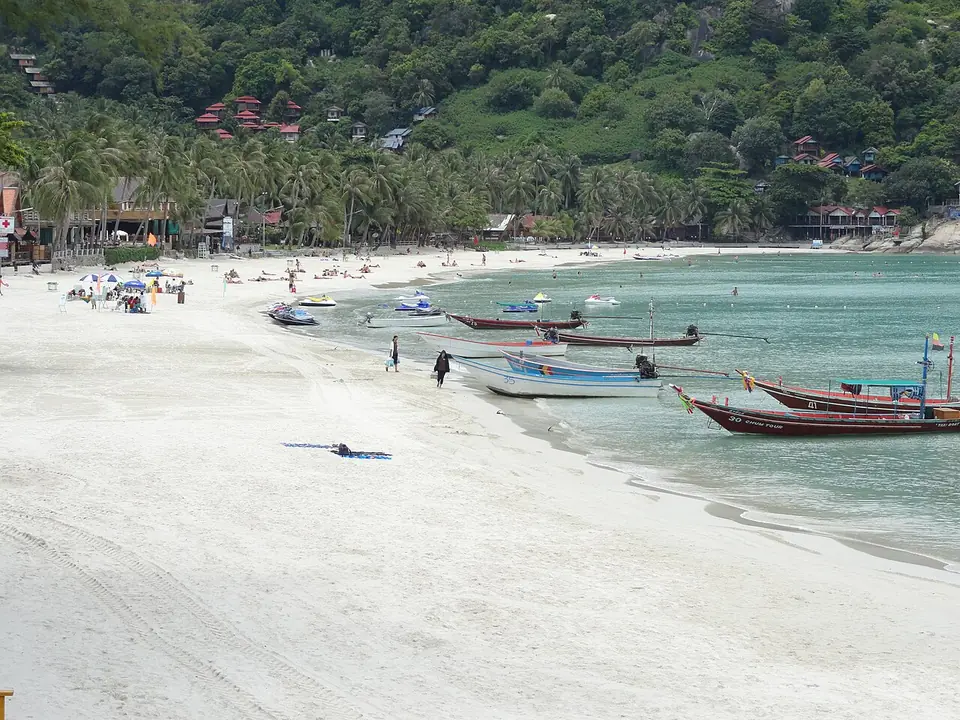
Thailand has two coasts with opposite weather patterns. On the Andaman side, around Phuket, Krabi, Koh Lanta and Khao Lak, the south-west monsoon from roughly May to October brings big swells and powerful rip currents, and drownings happen every year on beaches such as Karon, Kata and Patong. On the Gulf side, around Koh Samui, Koh Phangan and Koh Tao, the sea is usually calmer mid-year and rougher from about October to December. Lifeguards are present only on some main beaches, so the flag system is your best guide.
| Coast | Calm season | Rough season | Watch for |
|---|---|---|---|
| Andaman (Phuket, Krabi, Lanta, Khao Lak) | November to April | May to October | Rip currents, red flags, boat trips cancelled |
| Gulf (Samui, Phangan, Tao) | January to September | October to December | Choppy crossings, box jellyfish at certain times |
| Eastern Gulf (Koh Chang, Koh Samet) | November to April | June to October | Currents on west-facing beaches |
- Red flag means no swimming, full stop; yellow means caution
- If caught in a rip, do not swim against it: float, then swim parallel to the shore
- Some beaches on Samui, Phangan and Lanta have vinegar posts for jellyfish stings; pour vinegar and seek medical help for severe stings
- Dive and snorkel only with operators that brief you, check equipment and count people back on the boat
- Never swim after drinking or alone at night
Is Thailand safe for solo women, LGBTQ+ and older travellers?
Thailand is one of Asia's most popular first destinations for solo female travellers, with a well-trodden route, plenty of social hostels and a culture that is generally respectful. It is also widely regarded as one of the most LGBTQ+ welcoming countries in the region, and same-sex marriage became legal in 2025. Older travellers find good hospitals, easy tours and a slower pace in places like Hua Hin, Chiang Mai and Koh Samui. The precautions differ by profile, but none of them should stop you from going.
Solo women
SoloUse ride-hailing at night, watch your drink, choose accommodation with good reviews from women and share your itinerary. Most incidents involve alcohol late at night.
LGBTQ+ travellers
LGBTQ+Bangkok's Silom, Phuket's Patong and Pattaya have big scenes and Pride events. Public displays of affection of any kind are discreet in rural and conservative areas.
Older travellers
SeniorsHeat is the main risk: plan mornings and evenings, drink plenty and check that your insurance has no upper age limit or pre-existing condition gaps.
Travellers with reduced mobility
AccessPavements are uneven and boats rarely accessible. Choose big hotels, private drivers and piers with fixed jetties.
Thai laws that catch tourists out
Some Thai laws are much stricter than at home and ignorance is no defence. Drug penalties are severe, including for small quantities of hard drugs. E-cigarettes and vapes have been illegal in Thailand since 2014 (import, sale, possession and use), and enforcement was stepped up sharply in 2025 with large seizures. Tourists face heavy fines, often tens of thousands of baht, and importing can carry up to 10 years in prison. Do not bring a vape. Insulting the monarchy is a serious crime, even online. On cannabis, the liberalisation period is over: since 26 June 2025 (Royal Gazette), cannabis flowers are a controlled herb: buying them requires a medical prescription (valid up to 30 days) from a licensed practitioner, recreational use is prohibited, and penalties reach up to 1 year in prison and/or a 20,000 THB fine. Check official sources rather than relying on older articles.
- No vapes or e-cigarettes, not even in your luggage
- No illegal drugs, and beware of dealers who work with the police
- No negative remarks about the royal family, including on social media
- No stepping on banknotes, which carry the King's image
- No touching monks if you are a woman, and no revealing clothes in temples
- No drones without registration, and no littering or smoking on beaches where banned
Health basics: food, water, mosquitoes and hospitals
Health risks in Thailand are manageable. Street food is generally safe and freshly cooked, but tap water is not for drinking, although ice in restaurants is usually made from purified water. Dengue fever is present throughout the country, especially in the rainy season, so daytime mosquito protection matters. Private hospitals in Bangkok, Phuket, Chiang Mai and Koh Samui are excellent but expensive, which is exactly why insurance is essential.
| Risk | Prevention | If it happens |
|---|---|---|
| Traveller's diarrhoea | Busy stalls, freshly cooked food, bottled or filtered water | Oral rehydration salts; see a doctor if fever or blood |
| Dengue | Repellent with DEET or icaridin, cover up at dawn and dusk | Fever and body aches: get a blood test, avoid ibuprofen and aspirin |
| Rabies | No petting dogs, cats or monkeys | Wash the wound for 15 minutes and go to hospital the same day |
| Heat exhaustion | Water, electrolytes, shade at midday | Cool down, rest, seek help if confused or vomiting |
| Sunburn | High SPF, rash vest when snorkelling | Aloe, shade, hydrate |
Pharmacies are everywhere and pharmacists often speak some English. Bring any prescription medicine in its original packaging with a copy of the prescription, since some medicines, including certain strong painkillers and sleeping pills, are controlled in Thailand. See our health and vaccines guide for recommended jabs.
What to do if you are robbed, injured or lose your passport
Problems are rare, but having a plan saves hours of stress. The Tourist Police speak English and exist specifically to help foreigners; call 1155 from any phone. Keep your insurer's 24-hour assistance number, your embassy's contact details and digital copies of your documents somewhere you can reach them without your main phone.
If you are robbed
TheftGet to safety, block cards and phone, then report the theft at the nearest police station or Tourist Police office and ask for a written report. Your insurer will need it for any claim.
If you are injured
InjuryCall 1669 for an ambulance or go to the nearest hospital, then call your insurer before major treatment so they can guarantee payment. Keep every receipt and medical report.
If you lose your passport
PassportReport it to the police for a loss report, then contact your embassy in Bangkok or a consulate in Chiang Mai or Phuket for an emergency travel document. You will also need to sort out your entry stamp with immigration.
If you are arrested
ArrestStay calm, ask to contact your embassy and do not sign anything you cannot read. Embassies can provide lawyer lists but cannot get you released.
| Service | Number |
|---|---|
| Tourist Police (English speaking) | 1155 |
| Ambulance and medical emergency | 1669 |
| Police | 191 |
| Fire | 199 |
| Marine police | 1196 |