
 By Kylian Dev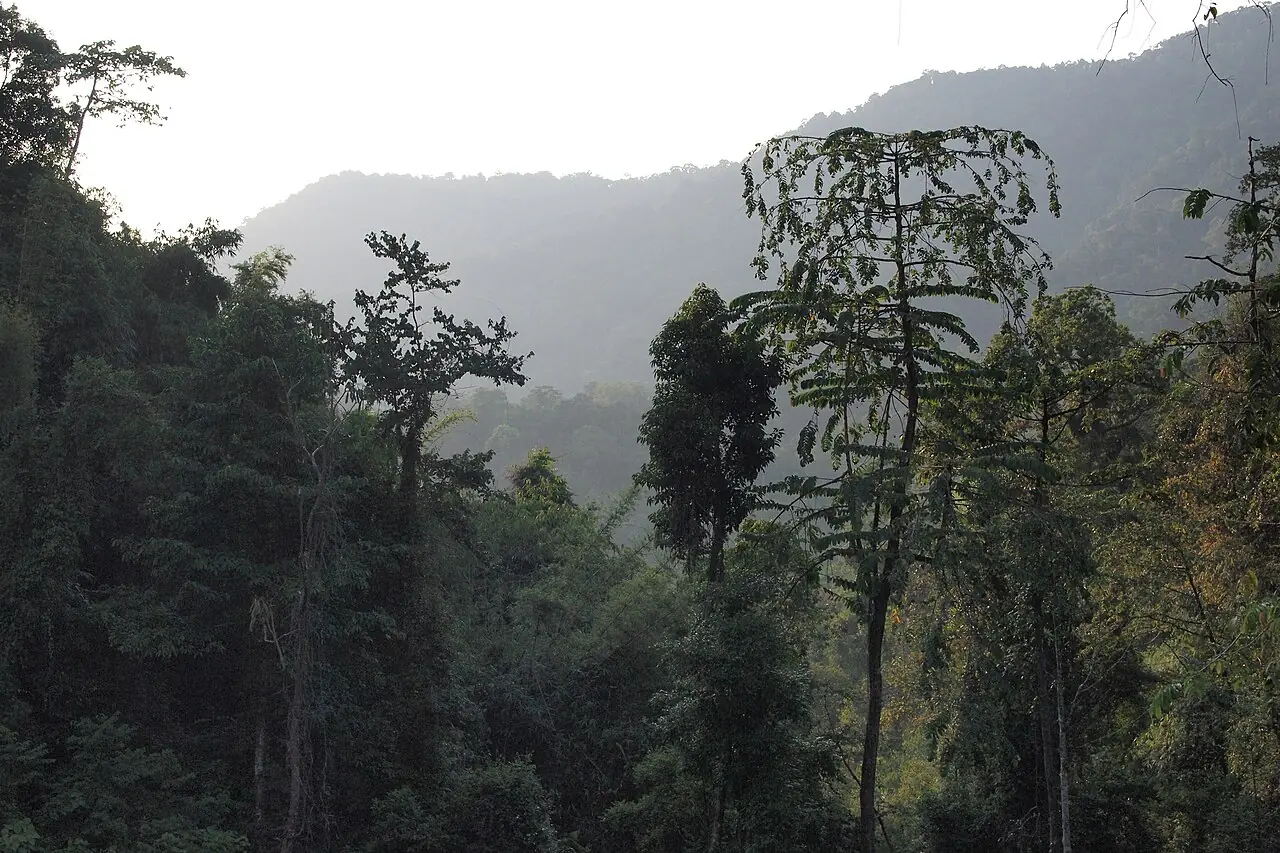
Before you read: this is not medical advice
Health recommendations are updated by national health authorities and can change. Use this page to prepare the right questions for your appointment, then follow what your travel doctor advises.
Are any vaccines mandatory for Thailand?
For travellers arriving directly from Europe, the UK, North America or Australia, no vaccine is required to enter Thailand. The only formal requirement is a yellow fever vaccination certificate, and it applies only if you arrive from, or have transited through, a country with a risk of yellow fever transmission, mainly parts of sub-Saharan Africa and South America.
Recommended vaccines for Thailand
What is recommended depends on how long you stay, where you go and what you do. A two-week beach and city trip is not the same as three months cycling through rural Isan.
| Vaccine | For whom | Recommendation level |
|---|---|---|
| Routine vaccines (diphtheria, tetanus, polio, measles, mumps, rubella) | All travellers | Make sure you are up to date |
| Hepatitis A | All travellers | Recommended |
| Hepatitis B | Longer stays, frequent travellers, risk of medical care or sexual contact | Recommended in many cases |
| Typhoid | Longer stays, rural areas, adventurous eating | To discuss |
| Japanese encephalitis | Long stays or repeated trips in rural areas, especially near rice fields and pig farming | Case by case with a doctor |
| Rabies (pre-exposure) | Long stays, rural travel, cyclists, contact with animals, children | Case by case with a doctor |
| Yellow fever | Only if arriving from or transiting a risk country | Certificate required in that case |
Some vaccines need several doses spread over weeks, which is why an appointment 4 to 6 weeks before departure is ideal. If you are leaving sooner, still go: a single dose or an accelerated schedule is often possible.
Short classic trip
Most travellersBangkok, Chiang Mai and the islands for two or three weeks. Routine vaccines and hepatitis A are usually the core, with hepatitis B often added.
Long or rural stay
Ask your doctorSeveral months, remote villages, trekking or volunteering. Typhoid, Japanese encephalitis and rabies pre-exposure become worth discussing seriously.
Families with children
Extra careChildren are more likely to touch animals and less likely to report a bite or scratch. Rabies pre-exposure is often considered for them on longer trips. More advice in our guide to Thailand with kids.
Malaria in Thailand: do you need antimalarial tablets?
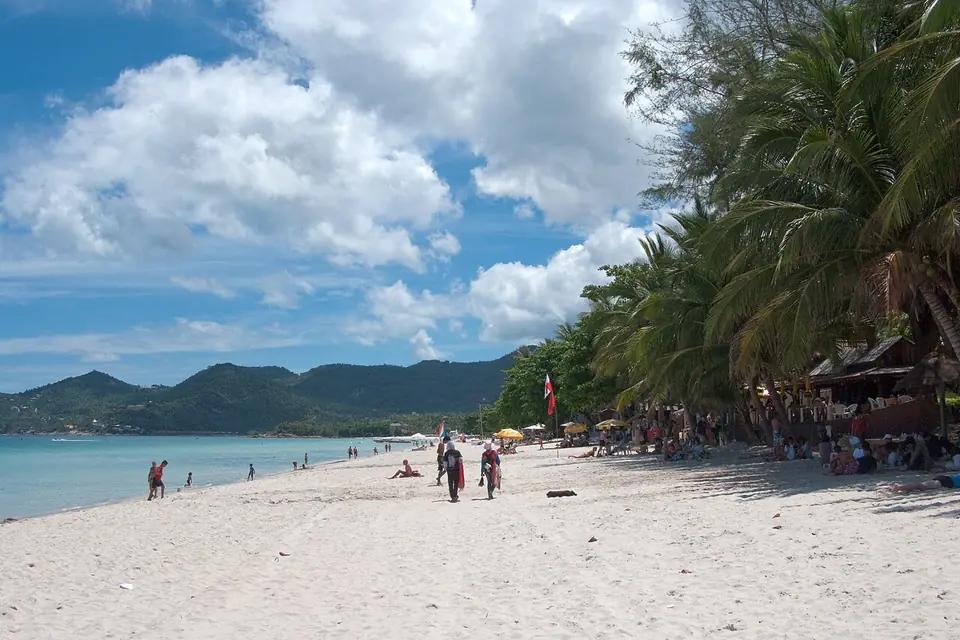
Malaria risk in the places most travellers visit is very low. Bangkok, Chiang Mai city, Chiang Rai city, Phuket, Koh Samui, Koh Phangan, Koh Tao, Krabi, Koh Lanta, Pattaya and Hua Hin are considered low or negligible risk areas.
The remaining transmission is concentrated in forested and rural border areas, mainly along the borders with Myanmar, Cambodia and, to a lesser extent, Laos. Travellers who spend nights in these forests, for example on long jungle treks or fieldwork, face a higher risk.
- For classic tourist itineraries, preventive antimalarial treatment is usually not recommended
- The decision belongs to your doctor, based on your exact route, season and activities
- Any fever during your trip or within three months after returning must be checked quickly, and mention your trip to Thailand
Dengue and mosquito protection
Dengue is the mosquito-borne disease you are most likely to meet in Thailand. It is present across the whole country, including Bangkok and the islands, and cases usually peak during the rainy season, roughly from May to October. The mosquitoes that carry it bite mainly during the day, not only at dusk.
There is no routine dengue vaccine for travellers. A dengue vaccine is available in some countries, but it is reserved for specific situations, often people who have already had dengue, so ask your travel doctor whether it applies to you.
- Use a repellent with an effective active ingredient such as DEET, icaridin or IR3535, reapplied as indicated
- Wear light long sleeves and trousers in the early morning and late afternoon
- Choose rooms with air conditioning or intact window screens, and use a mosquito net in basic accommodation
- Apply sunscreen first, then repellent on top
- See a doctor for any high fever with headache, eye pain or muscle aches, and avoid ibuprofen and aspirin until dengue is ruled out
Rabies, dogs and monkeys
Rabies is present in Thailand, carried mainly by stray dogs but also cats and monkeys. Temple monkeys in places like Lopburi, and macaques at viewpoints and beaches, can bite or scratch when they expect food.
- Do not feed or pet monkeys, and keep food and plastic bags out of sight
- Do not approach sleeping or feeding dogs, especially at night
- Do not wait to see whether the animal looks ill before seeking care
Food and water: what is safe to eat and drink?
Tap water in Thailand is not considered drinkable for travellers. Bottled water is cheap and everywhere, and many hotels and guesthouses provide free refill stations with filtered water. Brushing your teeth with tap water is generally fine.
Ice in restaurants, cafes and street stalls is generally produced industrially from purified water and is safe; it is usually the cylindrical kind with a hole in the middle. Street food is one of the best things about Thailand and is rarely the problem people fear.
- Choose busy stalls where food is cooked in front of you and turned over quickly
- Prefer food served hot, and fruit you peel yourself
- Be more careful with seafood left out in the heat and raw salads in very basic places
- Wash or sanitise your hands before eating
- Carry oral rehydration salts: they are the most useful remedy for traveller's diarrhoea
The real risks: scooters, heat and the sea
Exotic diseases get the attention, but most travellers who end up in hospital in Thailand do so because of road accidents, heat or the sea.
Scooter accidents
Top riskThe main real danger. Thai roads are among the most dangerous in the world, and many travellers ride without a proper licence or helmet, which can also void your insurance. If you ride, wear a helmet and hold a valid motorcycle licence plus an international driving permit.
Heat and sun
CommonHeat exhaustion and severe sunburn are common, especially in March to May. Drink regularly, add electrolytes, avoid the midday sun and use high-protection sunscreen.
Rip currents
SeasonalDuring the monsoon, roughly May to October, the Andaman coast (Phuket, Khao Lak, Krabi) has strong waves and rip currents. Respect red flags and swim only where lifeguards are present.
Jellyfish
SeasonalBox jellyfish are present at some times of year, notably in the Gulf of Thailand around Koh Samui and Koh Phangan and on some Andaman beaches. Some beaches have vinegar stations: pour vinegar on the sting and seek medical help.
Hospitals, pharmacies and your travel first-aid kit
Private hospitals in Bangkok, Phuket, Koh Samui and Chiang Mai offer excellent standards, English-speaking staff and short waiting times, but they are expensive and often ask for a guarantee of payment before treatment. On smaller islands, facilities are basic and serious cases are transferred by boat or air. This is why good travel insurance with medical cover and evacuation is essential; see our travel insurance guide for what to check.
Pharmacies are everywhere in towns and tourist areas, and pharmacists often speak some English. Many medicines are sold without a prescription, but bring enough of your regular treatment with its prescription, in your hand luggage. For the rest of your bag, build a Thailand packing list for your trip.
- Your personal medication for the whole trip, plus a copy of the prescription
- Mosquito repellent and after-bite cream
- High-protection sunscreen
- Oral rehydration salts
- Paracetamol (preferred over ibuprofen while dengue is possible)
- Antidiarrhoeal treatment as advised by your doctor
- Antiseptic, plasters, sterile dressings and blister patches
- Hand sanitiser and a digital thermometer
- Your insurance details and emergency phone number