Digital nomad in Thailand: hubs, visas, coworking and budget
Fast internet, coworking spaces, a big international community and a reasonable cost of living: Thailand is one of the world's most popular bases for remote workers.
 By Kylian Dev
- Top nomad hubs
- Visa options explained
- Monthly cost estimates
In short
Chiang Mai is the classic, affordable base; Koh Phangan the island option with a strong wellness and nomad community; Bangkok the big city with everything. For long stays, look at the Destination Thailand Visa (DTV) – and check current conditions before you go.
- matching destinations
- 5
- average per day
- 37–81 €
- best window
- Jan–Feb
Why Thailand
Why Thailand attracts remote workers
Reliable internet
Fibre is widespread in cities, and 4G/5G mobile data is cheap: a local SIM makes a good backup.
Coworking & cafés
Chiang Mai, Bangkok and Koh Phangan have many coworking spaces and laptop-friendly cafés.
Cost of living
Monthly rentals and local food keep costs well below most Western cities, especially in Chiang Mai.
Community
Meetups, coworking events and online groups make it easy to find other remote workers.
Where to go
The best digital nomad hubs in Thailand
Chosen for internet quality, coworking options, monthly rentals and an existing nomad community.
 Centre
Bangkok
Everything a big city offers: coworking spaces, fast internet, excellent transport and a huge food scene, at a higher cost.
Per day, per person35–65 €Ideal months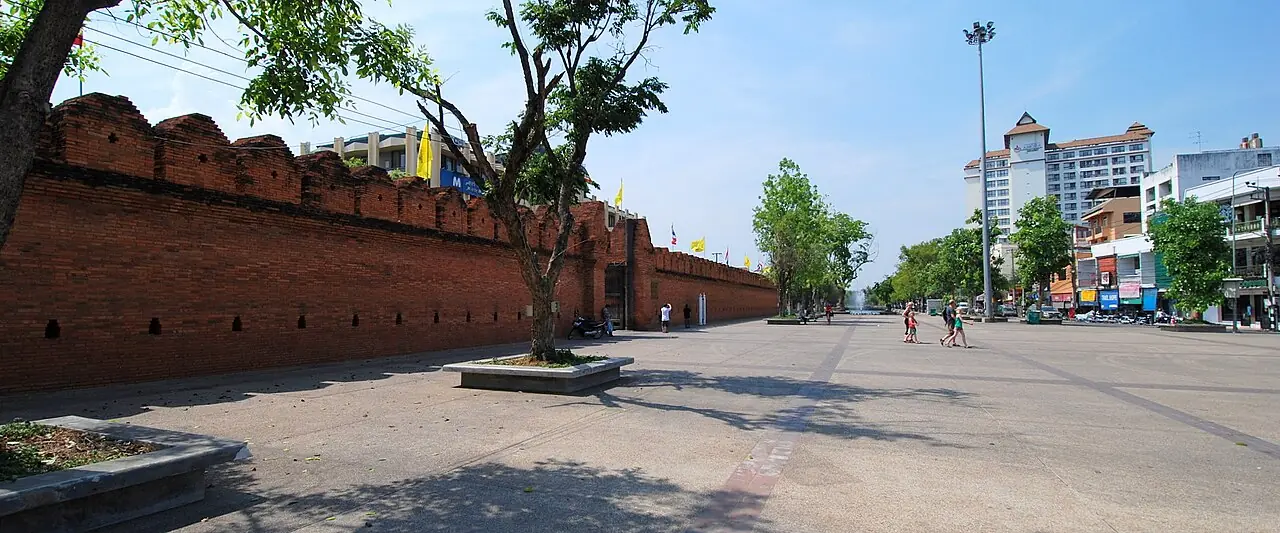 North
NorthChiang Mai
The historic nomad capital: Nimman cafés, coworking, affordable monthly rentals and mountains nearby. Beware of burning-season smoke around March–April.
Per day, per person25–45 €Ideal months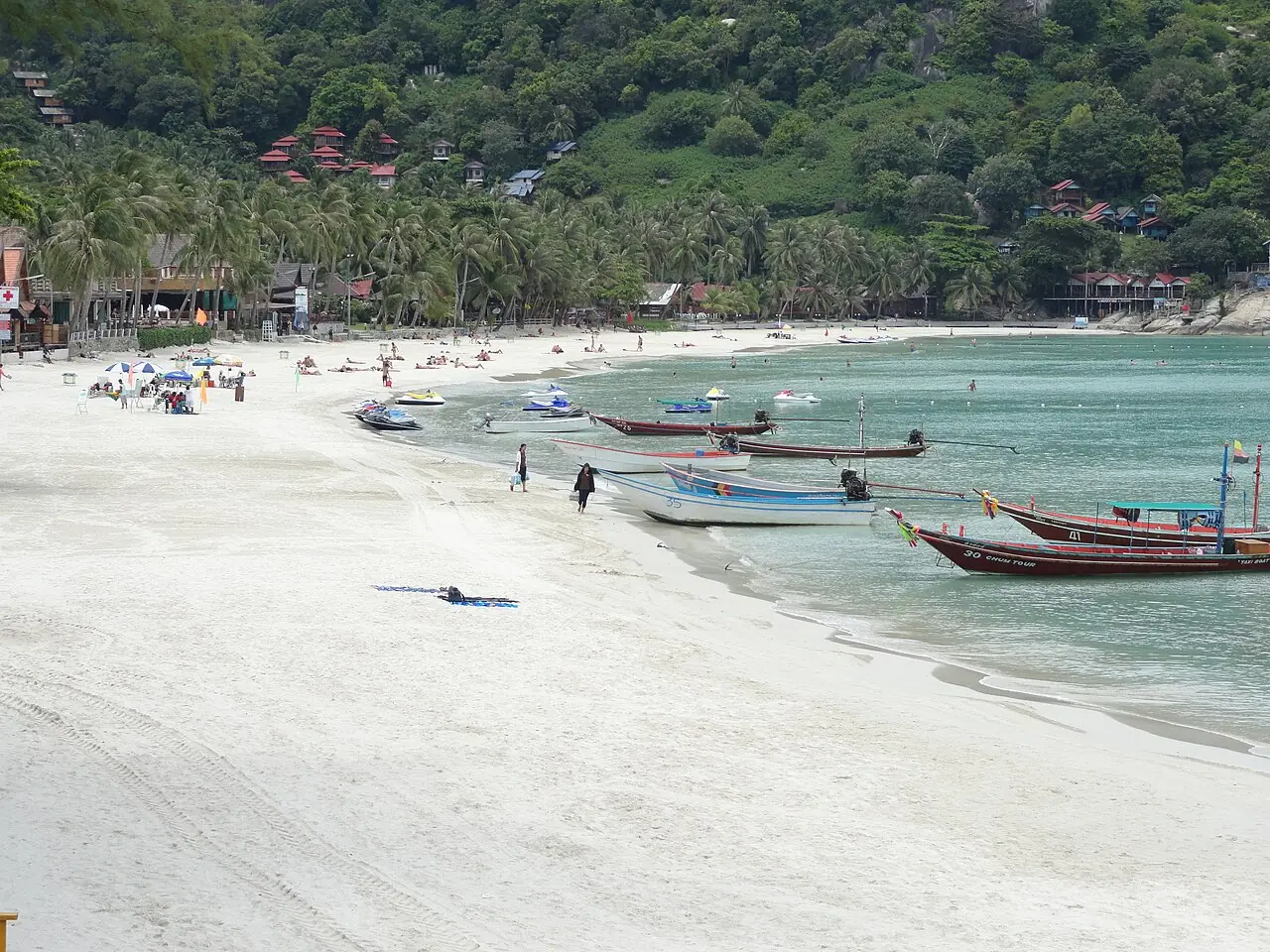 Gulf
GulfKoh Phangan
Island life with coworking spaces and a strong wellness and nomad community around Srithanu. Check the internet at your accommodation.
Per day, per person30–65 €Ideal months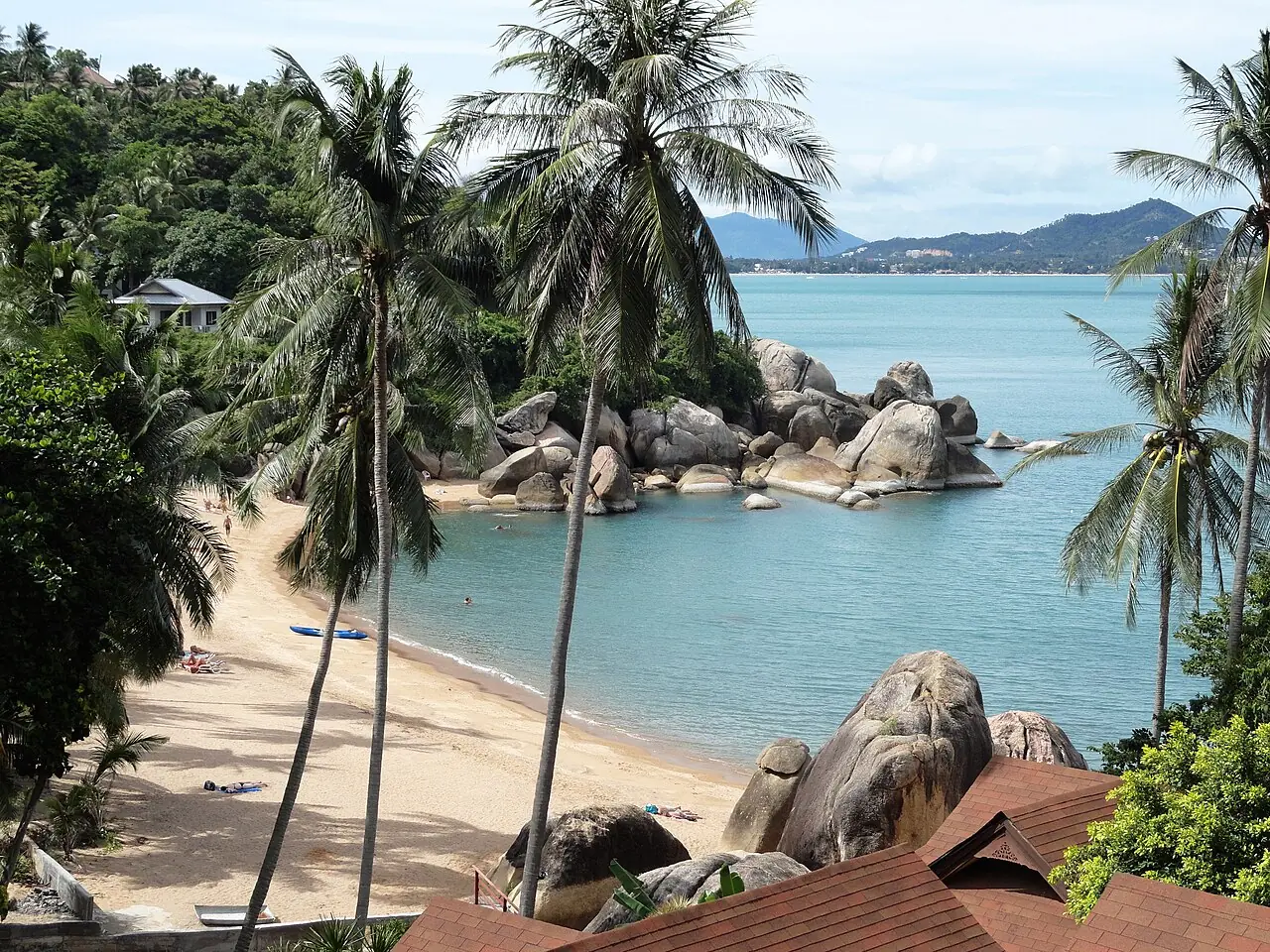 Gulf
GulfKoh Samui
More comfortable and pricier, with an airport, international hospitals and villas for longer stays.
Per day, per person50–120 €Ideal months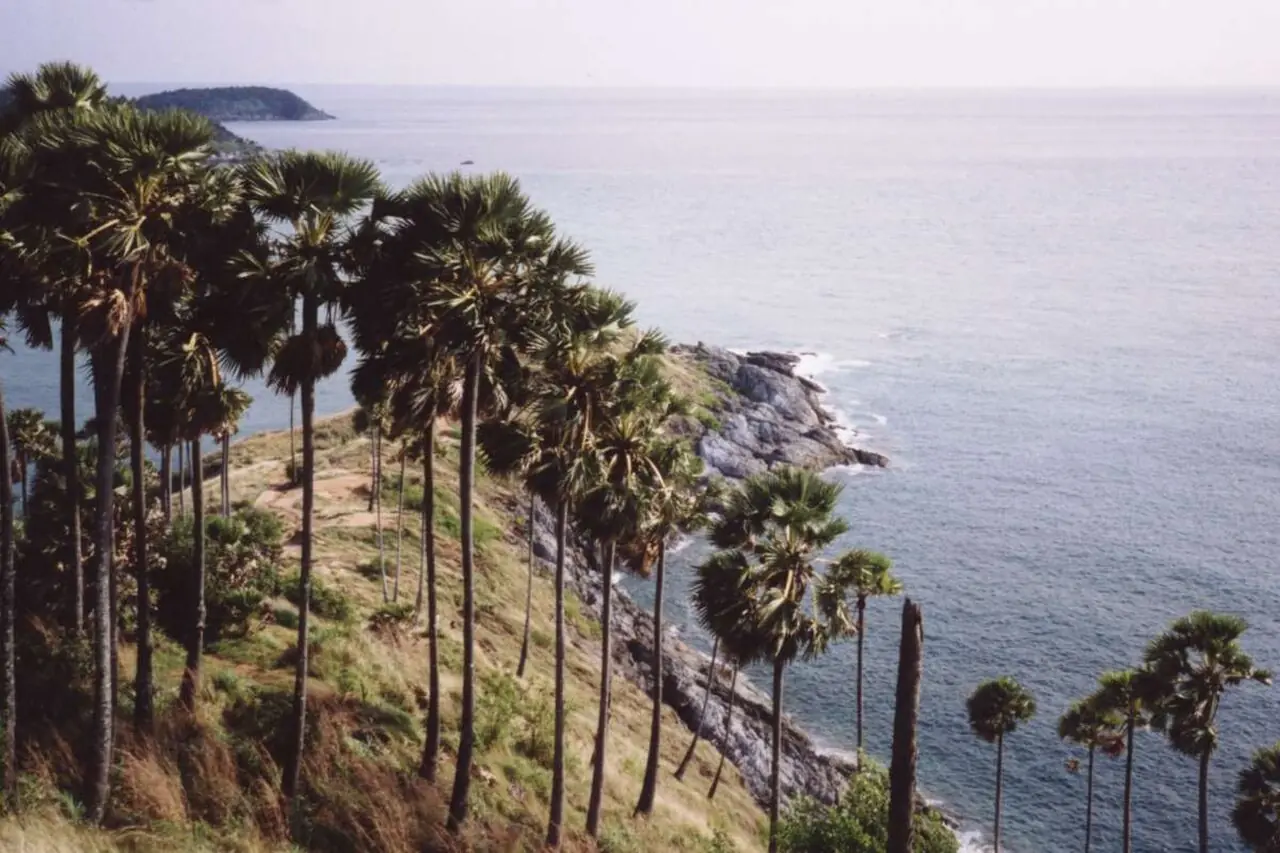 Andaman
Phuket
Big international community, schools and hospitals: popular with nomads settling for the long term, at a higher budget.
Per day, per person45–110 €Ideal months
Suggested route
A two-month nomad plan
Slow travel with monthly rentals: a month in Chiang Mai, three weeks on Koh Phangan, then a week in Bangkok before flying out.
- 1
The Rose of the North, its teak temples and mountains
- 2
Two faces: legendary parties and zen yoga sanctuaries
- 3
The City of Angels, a thousand flavours and golden temples
Budget
Cost of living for digital nomads
Daily ranges per person in each hub, based on our destination data. Monthly rentals usually bring accommodation costs down compared with nightly rates.
Daily budget per person by destination (€, accommodation, food, transport and activities)
- Chiang Mai25–45 €
- Koh Phangan30–65 €
- Bangkok35–65 €
- Phuket45–110 €
- Koh Samui50–120 €
Daily range across these destinations
25–120 €
Multiply by about 30 for a monthly idea, then subtract: a monthly room or condo is usually much cheaper per night than hotels. Add coworking membership and health insurance.
Estimate your own trip budgetBudgets are indicative ranges for a moderate traveller, taken from our destination data. Prices vary with season, exchange rate and inflation; flights to Thailand are not included.
When to go
Best time to base yourself in Thailand
November to February is the most pleasant in Chiang Mai and Bangkok. Avoid Chiang Mai around March–April for the smoke from agricultural burning; the Gulf islands are a good alternative from February to September.
Number of the 5 matching destinations in their ideal season, month by month. Dark green: the best window.
Practical tips
Practical tips for remote workers
Visas
The Destination Thailand Visa (DTV), launched in 2024, targets remote workers with long stays per entry and requires proof of funds. Rules change: always check the official Thai e-visa website.
Internet
Ask hosts for a speed test before booking and keep a local SIM with a generous data plan as a backup hotspot.
Coworking
Day, week and month passes are common in Chiang Mai, Bangkok and Koh Phangan. Many cafés welcome laptops too.
Monthly rentals
Book a week or two on arrival, then look for a monthly room or condo on the spot: prices are usually better than online.
Money
Use a multi-currency card to limit fees (money and cards in Thailand), and keep some cash: many small businesses are cash-only or use Thai QR payments.
Seasons & air quality
Plan around the burning season in the north (roughly February–April) and the monsoon on the islands (roughly October–December in the Gulf).
FAQ
Digital nomads in Thailand: FAQ
What is the best city in Thailand for digital nomads?
Chiang Mai is the classic choice for its affordability, cafés and coworking spaces. Bangkok suits those who want a big city, and Koh Phangan those who prefer island life and wellness.
Which visa should digital nomads use in Thailand?
The Destination Thailand Visa (DTV), introduced in 2024, is designed for remote workers and allows long stays per entry, with proof of funds required. Conditions can change: check the official e-visa site and our Thailand visa guide before applying.
How much does it cost to live in Chiang Mai as a nomad?
It depends on lifestyle. Our data puts a moderate daily budget at roughly 25 to 45 € in Chiang Mai; monthly rentals reduce accommodation costs compared with nightly rates. Add coworking and insurance, or model it in the Thailand budget calculator.
Is the internet good enough to work remotely in Thailand?
In cities and the main nomad hubs, generally yes: fibre is common and mobile data is cheap and fast. On islands and in remote areas, check with your accommodation and keep a SIM as a backup.
When should nomads avoid Chiang Mai?
Around March and April, smoke from agricultural burning often degrades air quality in the north. Many nomads move to the islands or Bangkok during that period. See Chiang Mai weather by month.
Other travel styles
Travelling differently? Explore the other styles
- Thailand with kidsCalm beaches, easy logistics & safety
- Backpacking ThailandHostels, easy encounters & freedom
- Wellness & natureCalm retreats, jungle & wellness
- Car-free islandsZero scooter, 100% walking & boats
Plan your trip