In short
- QR scanners are being tested at MRT gates, the Bangkok Post reports.
- QR tickets should be sold from December 2026; tokens stop on 1 January 2027.
- After that, the gate takes an EMV contactless card, a Mangmoom EMV card or a QR ticket.
- The planned 17 to 45 baht fare covers contactless cards, not QR tickets.
What to do
- 1Carry an EMV contactless card if you want the planned 17 to 45 baht fare.
- 2Swap an old MRT or MRT Plus card for a Mangmoom EMV card before 31 December 2026.
- 3Check with BEM that your card is accepted at the gate.
- 4Keep a QR ticket as a backup if your card is declined.
What changes at the gates?
Bangkok Expressway and Metro (BEM) runs the Blue and Purple lines. According to the Bangkok Post, the operator has fitted QR scanners on its station gates and is running trials. If they hold, single-journey QR tickets go on sale in December 2026, alongside plastic tokens; tokens are withdrawn on 1 January 2027.
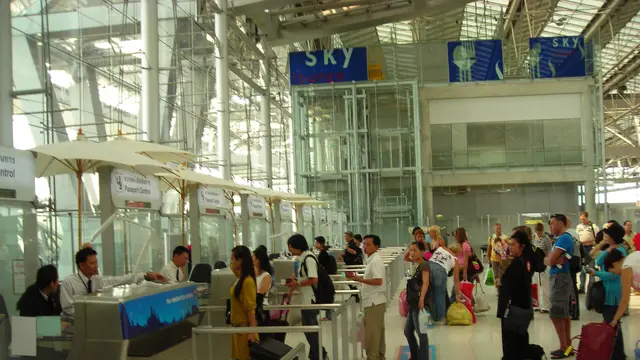
From then the gate accepts three things: an EMV contactless bank card, a Mangmoom EMV card or a QR ticket. The same report puts the Blue Line at 500,000 to 600,000 riders a day and the Purple Line at 70,000 to 80,000, with about 40% still using a token.
Which ticket gets the 17–45 baht fare?
The 17 to 45 baht fare the government plans will not apply to QR tickets, according to the Bangkok Post. To pay it, tap an EMV contactless card on the gate.
| Ticket at the gate | Accepted from 1 January 2027 | 17–45 baht fare |
|---|---|---|
| Credit card, any bank | Yes | Yes |
| Debit card: Krungthai, UOB, Bank of Ayudhya, Kasikornbank, Siam Commercial Bank | Yes | Yes |
| Mangmoom EMV card | Yes | Yes |
| QR ticket | Yes | No |
Contactless payment is already routine on the BTS Skytrain and the Airport Rail Link, so the card you use for hotels and cash machines will probably work on the metro too. Our guide to money and cards in Thailand explains which cards are accepted and what each withdrawal costs.
What about old MRT and MRT Plus cards?
MRT and MRT Plus cards have not been valid for travel since 1 June 2026. Holders can exchange them for a Mangmoom EMV card with no issuance fee at ticket offices in any station until 31 December 2026, one per person, the report says.
The switch belongs to a wider plan. Under the Common Ticketing System Management Act, in force since 2025, the government aims to open a first common ticketing system for electric trains in 2027, built on EMV contactless payment and a QR standard called Thai ABT, then extend it to buses, boats, expressways and interprovincial coaches between 2028 and 2030.
What stays the same?
- Trains, stations, routes and coverage on the Blue and Purple lines are unchanged.
- Plastic tokens work until 1 January 2027.
- EMV contactless cards and Mangmoom EMV cards keep working as they do now.
- BEM is expected to publish how to buy and use QR tickets before the switch.
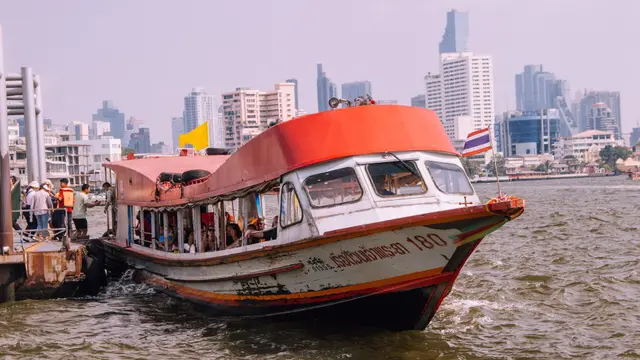
If you are planning a first trip and want to see how the metro fits with the Skytrain, the airport rail link and the river boats, read our first trip to Thailand guide. For outings along the Blue Line, from Chinatown to the riverside temples, see Bangkok day trips.
Travelling soon? Plan around it
Build a day-by-day Thailand route that keeps flexible days where the weather and transport are uncertain.
FAQ
Questions
Can I still use a plastic token in December 2026?
Yes, according to the Bangkok Post. QR tickets are due to be sold from December 2026 alongside tokens, and tokens are accepted until 1 January 2027.
My old MRT card no longer works. Is it worthless?
It has not been accepted since 1 June 2026, but it can be exchanged free of the issuance fee for a Mangmoom EMV card at any station ticket office until 31 December 2026, one per person.
Sources
We cross-check each story against official pages and several media, and rewrite it in our own words for travellers.