
 By Kylian Dev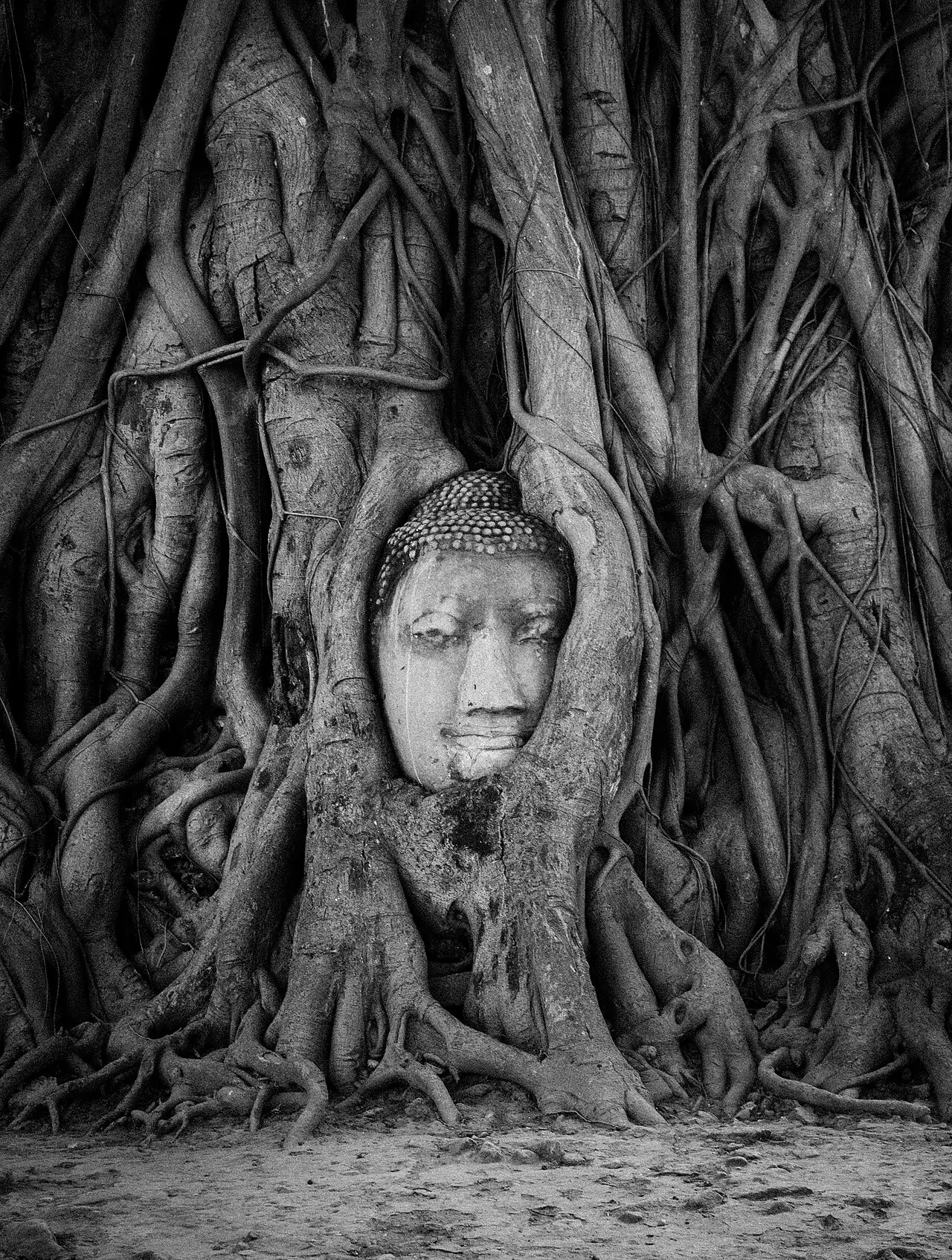
The best day trips from Bangkok
Two main directions: north for the temples, west for the River Kwai and the waterfalls.
| Day trip | Getting there | Price guide | Time needed | Best for |
|---|---|---|---|---|
| Ayutthaya on your own | Train, 1 to 2 hours | 50 THB per major temple or 220 THB combined | Full day | Independent travellers, tight budgets |
| Ayutthaya by bus and boat | Coach out, river cruise back | From 1,780 THB, entry fees and lunch included | 7.30 am – 4 pm | First trip, families |
| Ayutthaya and Bang Pa-In | By road, the palace is 18 km south | Palace ticket at the gate | Full day | Architecture, gardens |
| Kanchanaburi and Erawan Falls | By road, over 120 km | From 53 USD in a small group | Long day | History, swimming |
| Kanchanaburi by train | Train from Thonburi, about 3 hours | 100 THB a ride for foreigners | Full day | Rail fans |
| Ko Kret | Nonthaburi, then a ferry | No tour needed | Half day | Crafts, food |
The classic
UNESCO siteAyutthaya, the old royal capital: brick temples and a Buddha head caught in the roots of a tree.
The fullest day
Long dayKanchanaburi: the bridge on the River Kwai, the war cemetery, then a swim in the turquoise pools of Erawan.
The gentlest
Half dayKo Kret, an island in the Chao Phraya, with its Mon pottery workshops and fried flowers.
The markets
Own guideDamnoen Saduak, Amphawa, the Maeklong railway market: it’s all in our floating markets guide.
Ayutthaya: what to see and what do the temples cost?
The capital of Siam from 1351 to 1767, a UNESCO World Heritage Site since 1991.
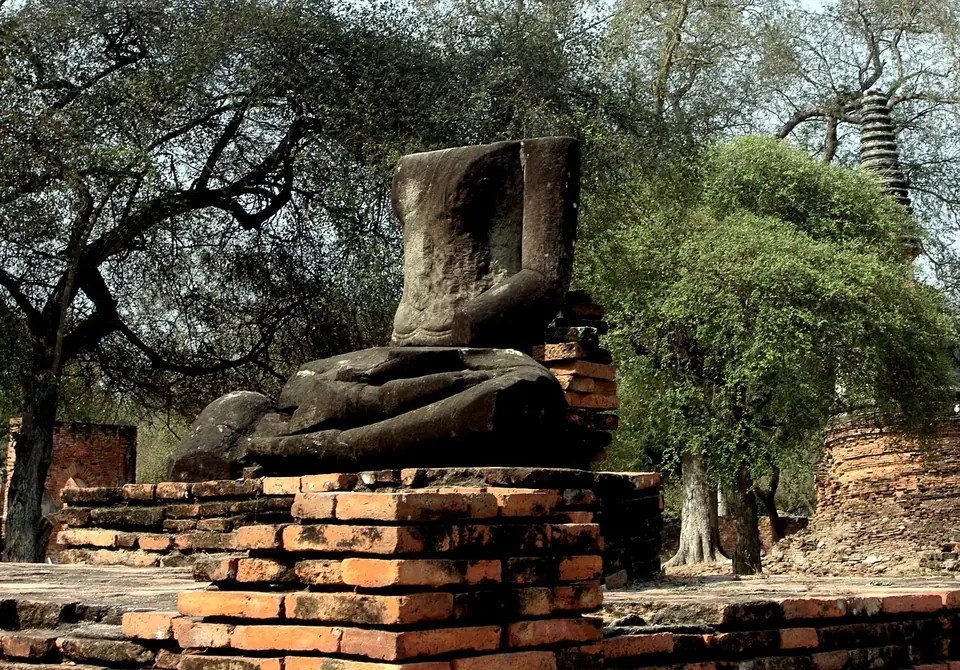
Destroyed by the Burmese army in 1767, Ayutthaya is a ruined city spread over an island. Entering the area is free: it’s the major temples that each have their own ticket booth. Wat Mahathat with its Buddha head wrapped in roots, Wat Phra Si Sanphet, Viharn Phra Mongkol Bophit and Wat Lokayasutharam are the heart of the visit.
| Site | Opening hours | Foreigner entry |
|---|---|---|
| Wat Phra Si Sanphet | Daily, 8 am – 6.30 pm | 50 THB |
| Wat Mahathat | Tickets 8 am – 5 pm | 50 to 80 THB |
| Combined ticket, major temples | At the main temple booths | 220 THB |
Wat Mahathat’s price isn’t shown the same way everywhere: some official pages still list 80 THB, the old rate, while the other temples charge 50 THB. Budget 50 to 80 THB per temple, and take the combined ticket as soon as you plan to see more than four.
Ayutthaya by train or on an organised tour?
The train is enough if you like to plan; the bus-and-boat tour if you want everything included.
Twenty-seven trains a day link Bangkok and Ayutthaya, from the first at 4.15 am to the last at 11.05 pm, taking 1 to 2 hours depending on the train. Watch the departure station: the faster trains leave from Krung Thep Aphiwat Central Terminal, but some local trains still leave from Hua Lamphong. In Ayutthaya, carry on by shared transport or a hired vehicle, and agree the price of the loop before you set off.
The easiest option is still a coach out and a Chao Phraya cruise back: check in around 7.30 am at River City, leave at 8 am, visit Wat Mahathat, Wat Phra Si Sanphet, Viharn Phra Mongkol Bophit and Wat Lokayasutharam, then a buffet lunch on board and back around 4 pm. An English-speaking guide and entry fees are included, from 1,780 THB per adult.
Bang Pa-In: the summer palace on the way to Ayutthaya
18 km south of Ayutthaya island, a one or two-hour stop that’s easy to combine.
Bang Pa-In Royal Palace, on the banks of the Chao Phraya, mixes styles: a Chinese palace (Wehart Chamrun), the Ho Withun Thasana lookout tower, the Aisawan Thiphya-Art pavilion in the middle of a pond, and the royal temple of Wat Niwet Thammaprawat. Most of it was built between 1872 and 1889 under King Chulalongkorn. It’s the perfect breather between two ruined temples.
Published opening hours differ from one official site to another: opening at 8 or 8.30 am, closing between 4 and 5 pm. Get there before 3 pm to be safe.
Kanchanaburi and the River Kwai: history in a day
The bridge, the cemetery and the Death Railway, about 120 km west of Bangkok.
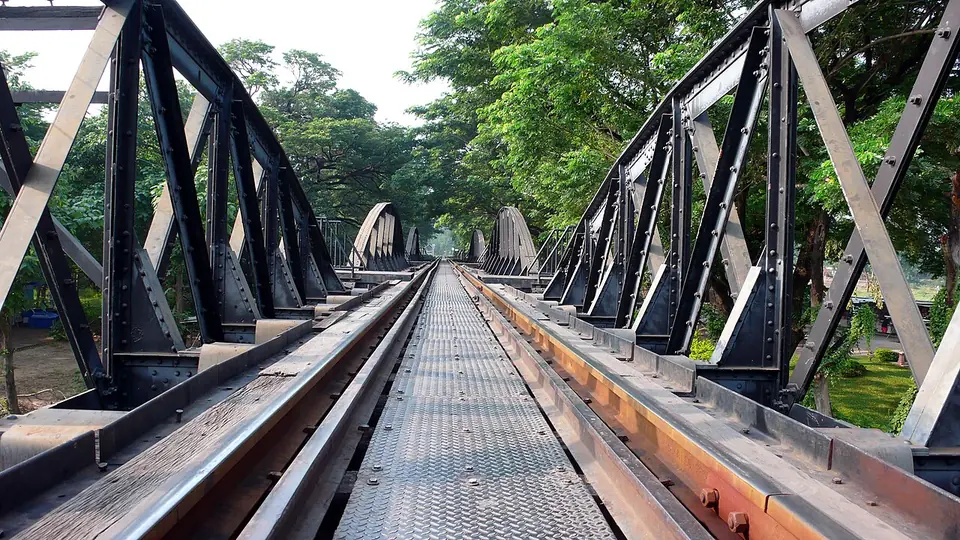
The bridge on the River Kwai is free to walk across, 4 km north of the town centre. It is part of the Thailand–Burma line, the Second World War “Death Railway”: between 12,000 and 12,600 Allied prisoners died building it, along with some 90,000 labourers from Southeast Asia. Kanchanaburi War Cemetery, on the main street, holds 6,858 graves; entry is free.
The train is the most evocative way to make the trip. Two trains a day leave Thonburi station, at 7.45 am and 1.55 pm, taking about 3 hours to Kanchanaburi. Foreigners pay a flat fare: 100 THB for any stretch of the line. The finest section, the Wang Po viaduct, comes just before the Nam Tok terminus.
| Train | Departs | Kanchanaburi | Arrives |
|---|---|---|---|
| 257 (outbound) | Thonburi 7.45 am | 10.20 am, bridge 10.34 am | Continues to Nam Tok |
| 259 (outbound) | Thonburi 1.55 pm | 4.19 pm | Continues to Nam Tok |
| 258 (return) | Nam Tok 1 pm | 2.40 pm | Taling Chan 5.20 pm |
Erawan Falls: opening hours, entry fee and park rules
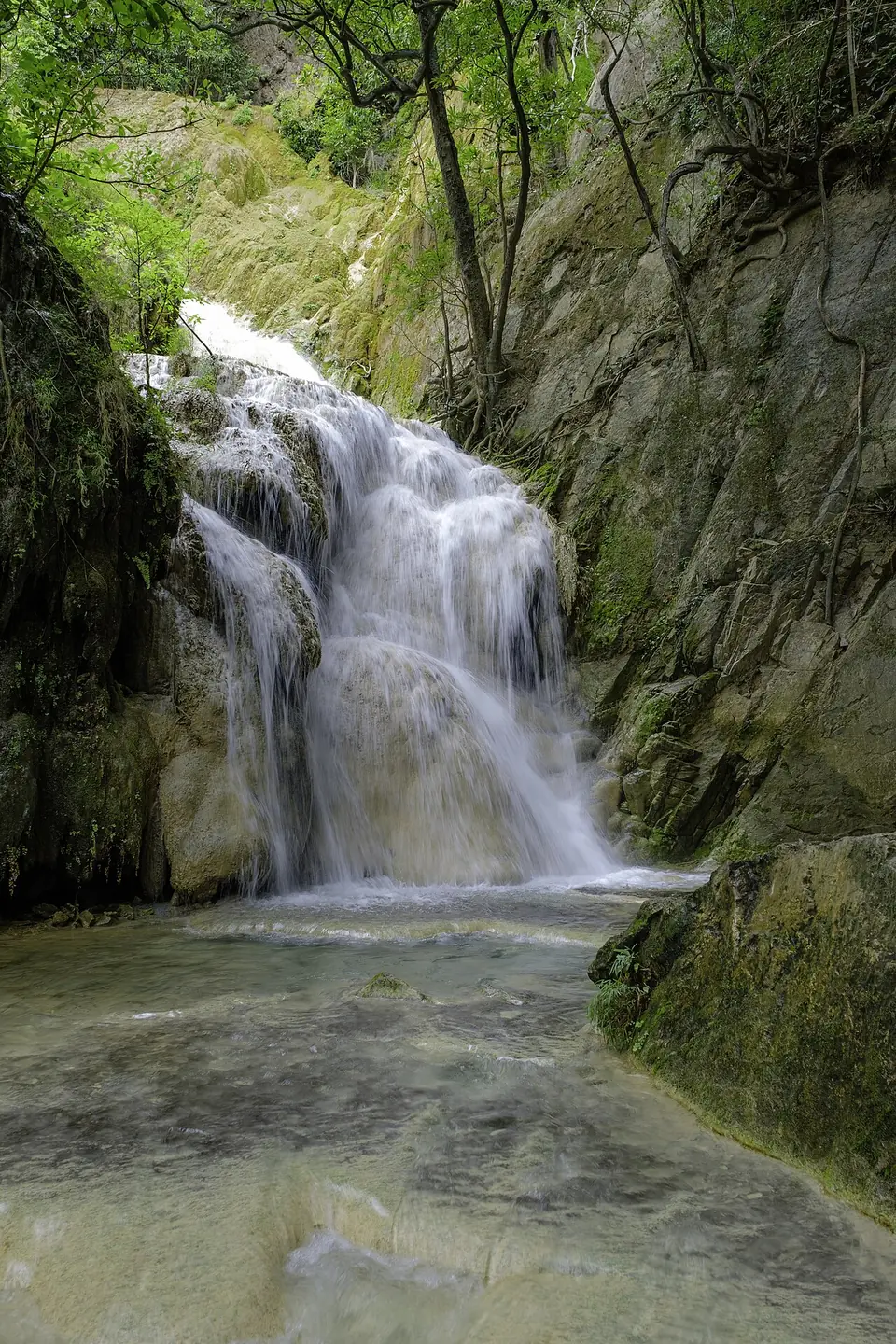
Seven tiers of turquoise water in the forest, easy to pair with Kanchanaburi on the same day.
Erawan National Park is open daily from 8 am to about 4.30 pm, and nobody gets in after 3.30 pm. Entry is 300 THB per foreign adult and 150 THB per child aged 3 to 14, ideally in cash. The first tier is a few hundred metres from the visitor centre; a golf cart at 20 THB per person covers about 700 m, then you carry on on foot from tier to tier.
- No food beyond the second tier.
- A 20 THB deposit per bottle, refunded when you come back down with it.
- Come on a weekday and as early as you can: the park is packed at weekends and on public holidays.
Small-group tours from Bangkok, from 53 USD, combine Erawan, the JEATH museum and the bridge; private tours start from 103 USD per person. It’s a long day: more than 120 km of road each way.
Ko Kret and the markets: shorter trips
You don’t have to leave the Bangkok area for a complete change of pace.
Ko Kret is an island three kilometres by three in the middle of the Chao Phraya, in Nonthaburi province, north of the city. It’s home to a Mon community that lives from pottery: workshops open to visitors, a pottery museum, the Wat Poramai Yikawat chedi modelled on the Shwedagon Pagoda, and the leaning pagoda that is the island’s emblem. You cross by ferry and explore on foot.
Try the fried flowers, Thod Man Nor Kala, a spicy fish cake, and Khao Chae. Allow half a day; workshop opening days vary, so ask your hotel before you go.
What’s better avoided
The most common traps in day trips sold in Bangkok.
- Kanchanaburi tours with an “elephant camp”, rides or bathing with elephants, even as an option: we never recommend them.
- “Ayutthaya + floating market + railway market” days: three sites, a lot of road, little time at each.
- Erawan on a Saturday, a Sunday or during Songkran: the falls are unrecognisable.
- The cheapest tours without reading the small print: entry fees can add 220 THB at Ayutthaya or 300 THB at Erawan per person.
How to choose for your stay
One trip out of the city every two or three days is plenty: Bangkok is tiring enough.
- 1Three days in Bangkok: one trip, Ayutthaya by train or on a bus-and-boat tour.
- 2Five days: add Kanchanaburi and Erawan in a small group, on a weekday.
- 3A slower day: Ko Kret for half a day, or a floating market in the morning.
- 4With children: Ayutthaya on an all-inclusive tour, then Erawan for a swim.
- 5More time: sleep in Kanchanaburi to ride the train to Nam Tok and see Hellfire Pass.
To make early starts easy, see where to stay in Bangkok: the riverside is right by River City, where the Ayutthaya cruises leave from. Everything else about the city is on our Bangkok page.
Booking a day trip from Bangkok
Online, you can see what’s included before you pay.
For Ayutthaya by train there is nothing to book: you buy the ticket at the station. For Kanchanaburi and Erawan, booking a small group online lets you pick a weekday departure, check that entry fees are included and cancel for free the day before.