
 By Kylian Dev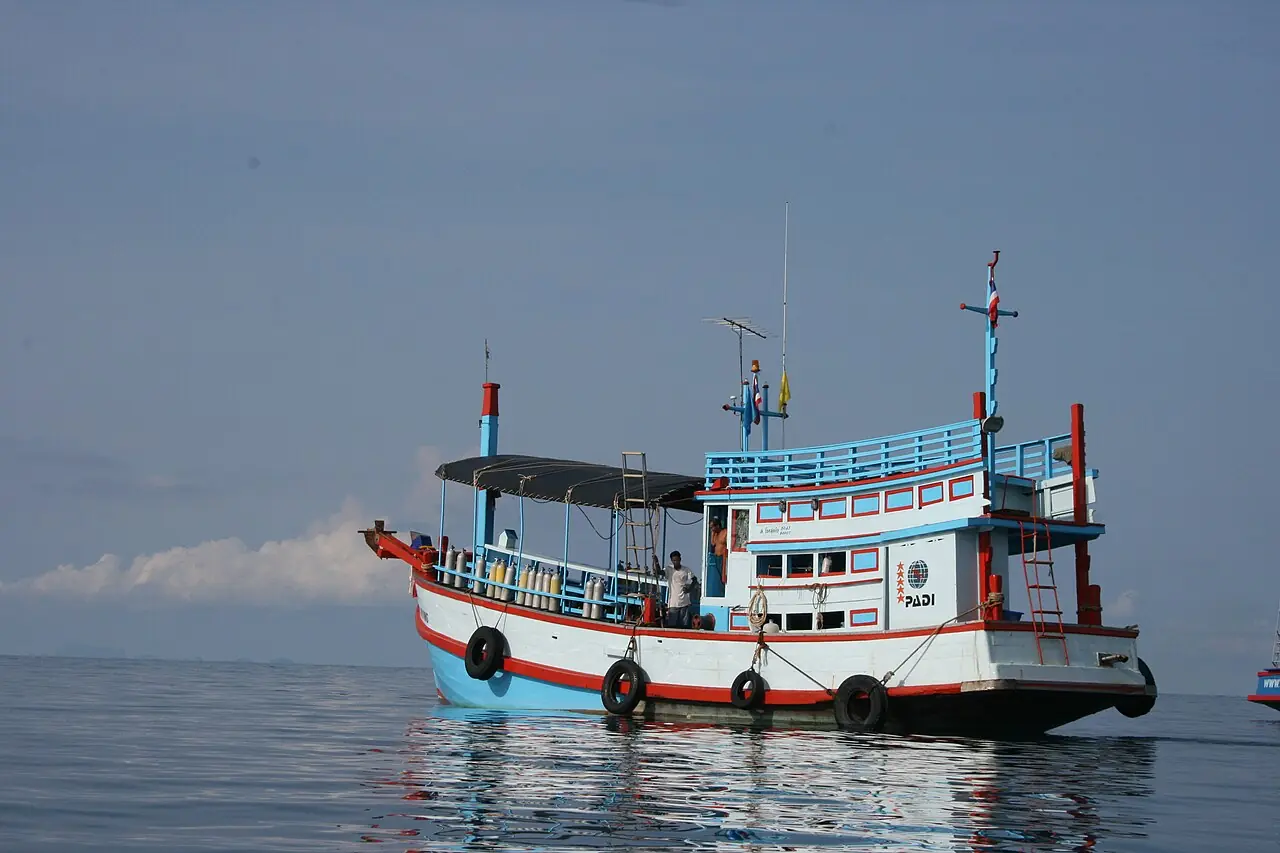
Where are the best dive areas in Thailand?
Five areas cover almost all the diving in Thailand, split between two coasts.
| Area | Coast | Best for | Season |
|---|---|---|---|
| Koh Tao | Gulf of Thailand | Learning, cheap fun dives | All year, best March to September |
| Similan & Surin (from Khao Lak) | Andaman Sea | Big fish, clear water, liveaboards | Mid-October to mid-May |
| Koh Phi Phi | Andaman Sea | Easy reefs, leopard sharks | November to April |
| Koh Lanta (Hin Daeng, Koh Haa) | Andaman Sea | Deep walls, mantas in season | November to April |
| Koh Lipe | Andaman Sea | Quiet coral, few divers | November to May |
First time
BeginnerKoh Tao: dozens of schools, shallow sheltered bays and a whole island built around diving.
The best diving
CertifiedThe Similan and Surin Islands, ideally on a three- or four-day liveaboard out of Khao Lak.
Beach holiday plus a day’s diving
Krabi areaPhi Phi for gentle reefs, Koh Lanta for the pinnacles of Hin Daeng and Hin Muang.
When is the best time to dive in Thailand?
Pick the coast to match your month: the two seas swap seasons.
| Months | Gulf (Koh Tao) | Andaman (Similan, Phi Phi, Lanta, Lipe) |
|---|---|---|
| November – December | Monsoon: rougher sea, some cancelled trips | Season opens, good conditions |
| January – April | Good, calm from March | Best period: clear water, whale sharks and mantas possible |
| May | Very good | Last weeks; Similan and Surin close mid-May |
| June – October | Very good, the best visibility of the year | Rough sea; national parks closed, only a few local sites dived |
The water stays between 27 and 30 °C all year on both coasts: a 3 mm shorty or even a rash guard is enough. For the rest of your trip, the weather month by month is in our when to go guide.
Koh Tao: why is it the place to learn?
A 21 km² island in the Gulf, with more dive schools than hotels on some beaches.
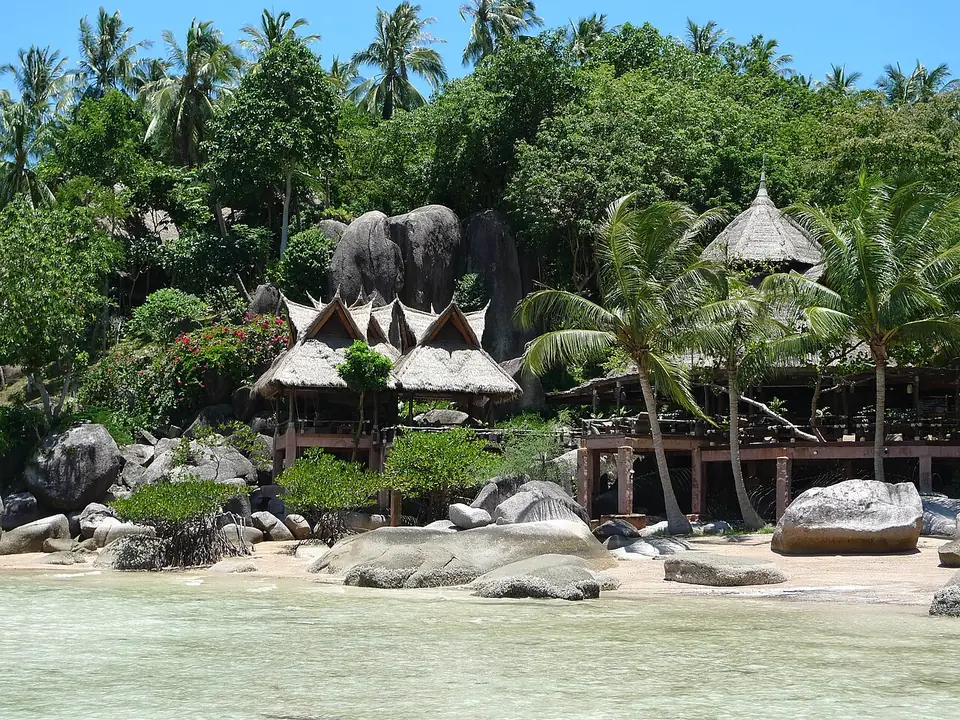
Koh Tao works because everything is close: the dive sites are 5 to 30 minutes by boat, the bays on the east and south coasts are sheltered, and the depth around the island rarely goes past 30 metres. Competition between schools keeps prices low and the teaching well oiled: you can arrive in the morning, start your course the same afternoon and be certified three days later.
Chumphon Pinnacle
Signature siteA granite pinnacle covered in anemones, with big schools of trevally and batfish; whale sharks turn up some years, most often between March and May.
Sail Rock
Between Tao and PhanganThe best site in the Gulf, with its vertical chimney swim-through. Usually a full-day trip from Koh Tao.
Japanese Gardens & Twins
BeginnersShallow, gentle reefs where most Open Water students do their first sea dives.
HTMS Sattakut
WreckA former navy ship sunk in 2011 at about 30 metres, dived during the Advanced course.
Most schools sit on Sairee Beach, the lively west-coast strip, and in Mae Haad, where the ferries land. Chalok Baan Kao in the south is quieter and closer to the southern bays. Our Koh Tao guide covers the beaches and where to stay, and Bangkok to Koh Tao explains how to get there by train, bus or plane plus ferry.
Try-dive, Open Water or Advanced: what does it cost?
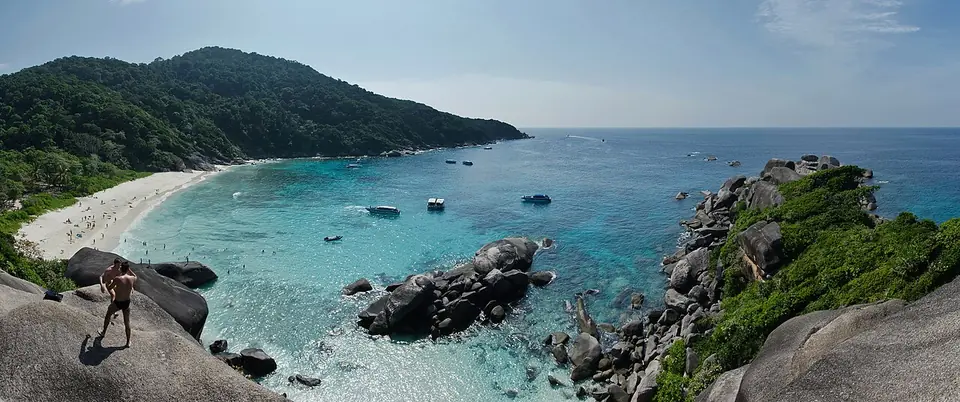
Three levels, and the prices below include equipment, boat, instructor and certification.
| Course | Length | Max depth | Koh Tao (2026) |
|---|---|---|---|
| Try-dive (Discover Scuba / Try Scuba) | Half a day to a day, 1–2 sea dives | 12 m | 2,500 – 4,500 THB |
| Open Water | 3 – 4 days, 4 sea dives | 18 m | 9,900 – 13,000 THB |
| Advanced Open Water | 2 days, 5 dives | 30 m | 9,500 – 12,000 THB |
| Fun dive (already certified) | Per dive | Your level | From about 900 THB, less in packages |
On the Andaman coast, the same courses usually cost 20 to 40 % more, because boats travel further and national park fees apply. The Open Water starts with theory (online or in the classroom) and pool or shallow-water skills, then four dives in the sea; the Advanced adds a deep dive, navigation and three dives of your choice, such as wreck, night or buoyancy.
How do you choose a good dive school?
PADI or SSI matters much less than the instructor and the group size.
PADI and SSI certifications are recognised everywhere in the world, and you can dive with either card at any school. SSI courses on Koh Tao are often a little cheaper; PADI is more widespread elsewhere. What really makes the difference is the number of students per instructor, the condition of the equipment and the time taken over each skill.
- Ask how many students per instructor: four at most is a good sign.
- Look at the equipment and the boat before paying: well kept regulators, a first aid kit and oxygen on board.
- Check that the course includes a dive computer, or at least one per buddy pair.
- Read recent reviews that mention the instructors by name.
- Tell the school honestly about any medical history: they will ask you to fill in a medical questionnaire.
Learning in your own language makes the theory much easier. On Koh Tao, as well as in Khao Lak, Phi Phi and Koh Lanta, several schools have French- or German-speaking instructors, and a few are run entirely in those languages: say so when you get in touch, and book a few days ahead in high season.
Similan, Phi Phi, Lanta, Lipe: diving the Andaman Sea
Bigger fish, clearer water and higher prices than in the Gulf, from November to April.
Similan & Surin
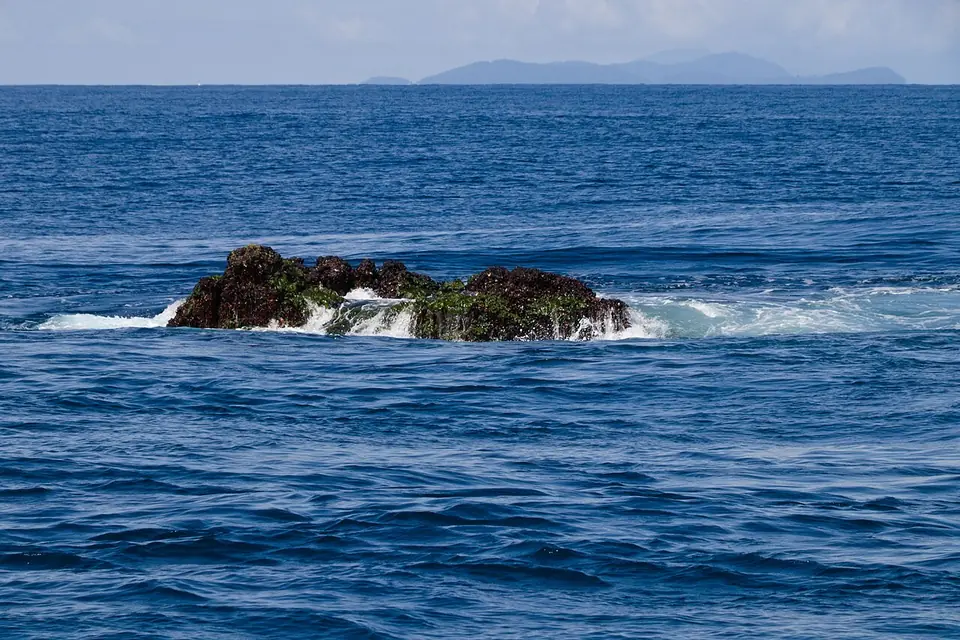
From Khao LakGranite boulders, clear water and the chance of mantas at Koh Bon and whale sharks at Richelieu Rock. Day trips by speedboat from Khao Lak take about 1.5 hours; the park entrance fee is 500 THB. See our Similan Islands guide and Khao Lak.
Koh Phi Phi
EasyShallow reefs, walls and leopard sharks sleeping on the sand at Bida Nok and Shark Point. Allow 2,800 to 3,500 THB for two dives plus park fee. Everything about the island in our Koh Phi Phi guide.
Koh Lanta
Deep sitesHin Daeng and Hin Muang, two submerged pinnacles covered in soft coral, are among the best dives in Thailand; mantas pass in February and March. Allow 4,000 to 5,000 THB for two dives, plus park fees. More in our Koh Lanta guide.
Koh Lipe
QuietIn the Tarutao marine park, near the Malaysian border: healthy coral, few boats and easy dives straight from the island. More in our Koh Lipe guide.
Is a liveaboard worth it?
For the Similan and Surin Islands, yes: it is the only way to dive the remote sites early and late.
A liveaboard is a boat you sleep on for three to five days, with three or four dives a day. Most leave from Khao Lak or Phuket between late October and early May. Allow roughly 20,000 THB for a basic three-day trip and 40,000 THB or more for four to five days on a comfortable boat, plus park fees.
| Option | Duration | What you get |
|---|---|---|
| Day trip to Similan | 1 day, 2 – 3 dives | The northern islands, back in Khao Lak for dinner |
| Short liveaboard | 3 days / 3 – 4 nights | Similan plus Koh Bon and Koh Tachai |
| Long liveaboard | 4 – 5 days | Adds Surin and Richelieu Rock, the best chance of a whale shark |
The Advanced certification is often required, or at least recommended, because several sites are deeper than 18 metres with currents. If you only have the Open Water, some boats let you do the Advanced on board.
Not a diver? The best snorkelling
Many of the best sites can be seen from the surface, with a mask and fins.
- Koh Tao: Shark Bay, Aow Leuk and Hin Wong straight from the beach, and the boat tour around the island with Koh Nang Yuan.
- Similan: speedboat day trips from Khao Lak with three or four snorkelling stops.
- Phi Phi: Bamboo Island and the Phi Phi Leh bays by longtail or speedboat.
- Koh Lipe: reefs a few metres from the beach, and the islands of Koh Adang and Koh Rok.
Wear a rash guard and use reef-safe sun cream: several national parks ban oxybenzone creams. Do not touch or stand on the coral.
Insurance and health: what to sort out before diving
A few simple checks let you dive with a clear mind.
Many travel insurance policies cover recreational diving within your certification level, sometimes as an option. Check the depth limit in the policy, and that it applies to try-dives and courses too. Our travel insurance guide explains what to look for. Some schools include basic dive cover in the course price: ask.
- Leave 18 to 24 hours between your last dive and a flight.
- Do not dive with a cold or blocked ears: wait a day.
- Go easy the evening before a dive: Koh Tao’s bars will still be there afterwards.